

























































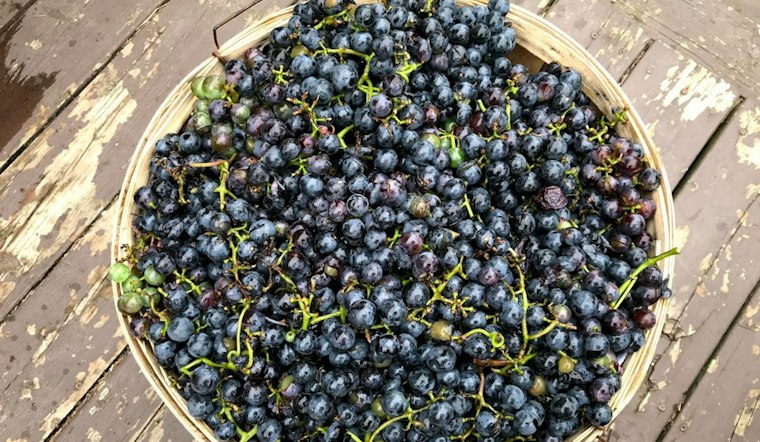
Refresco’s exit from regional Concord-grape buying has left Mark Terrell with about 1,600 tons — roughly 200 million grapes — from his 200 acres of vineyards in North East, Pennsylvania, without a buyer.
The crisis traces back to a letter Terrell and 125 other grape growers across Pennsylvania and New York received in March, notifying them that Refresco was ending their contracts, according to the Pennsylvania Farm Bureau. Those growers represent about 2,600 acres of mostly Concord grapes, as Lancaster Farming reports, with the affected region stretching across vineyards in New York, Pennsylvania and Ohio. Refresco confirmed it would discontinue sourcing Concord and Niagara grapes from its longtime U.S. grower partners starting with the fall 2026 harvest, according to WJET/WFXP.
The canceled agreements have put the harvest in jeopardy for growers whose operations are built around Concord grapes, not only Terrell.
A Market Already Under Strain
The timing has been brutal for growers who had already sunk money into their fields. Preparing vineyards involves maintenance costs and investment. Some have since laid off workers, while others are weighing whether to sell land or tear out vineyards entirely, per the same report.
The fallout isn't limited to contract losses. Sam Valone, another regional grower, sold part of his vineyard after losing his Refresco contract and scaled his operation down from 130 acres to 85 acres, telling the Pennsylvania Farm Bureau he now has no profit in sight. Tearing out deep-rooted Concord vines costs between $3,000 and $5,000 per acre, and replanting takes several years before new vines produce, according to Lancaster Farming.
The squeeze isn't new — Lancaster Farming describes a long-term decline in demand for wines and juices. Lancaster Farming describes the Concord market as having been under stress for 15 years because of lagging demand for wine and juice combined with high grape production nationally.
Government Help Arrives, But Only Covers a Fraction
State and federal officials have stepped in with limited relief. Pennsylvania's Shapiro Administration dedicated $500,000 to fund an emergency purchase, processing and transport of 350 tons of grapes from 11 Erie-area growers whose contracts were abruptly canceled in March, according to the Post-Journal. Those grapes will be processed into juice concentrate and distributed to Feeding Pennsylvania-member food banks through the state's Agricultural Surplus System.
Separately, the USDA has moved to purchase $20 million in surplus Concord grape juice for federal nutrition programs, according to FingerLakes1.com, which notes that Cornell Cooperative Extension estimates the Lake Erie Grape Belt supports about 2,000 jobs and more than $300 million in economic activity. The state and federal efforts include purchases of grapes and Concord grape juice.
Researchers Chase Alternative Uses
Researchers are exploring possible uses for grape pomace. Cornell researchers are specifically studying spent grape pomace as a feed ingredient with potential health and nutritional benefits for broiler chickens, Lancaster Farming reports, while pomace is also being examined as a natural food dye or as an ingredient in health-focused foods and supplements.
These alternatives are being explored as growers like Terrell face a surplus this season. The struggle isn't confined to the Lake Erie region, either — AP News has reported that California wine grape growers are also struggling to sell their crops as Americans cut back on drinking.
Acreage, Prior Surpluses and a Separate California Crisis
Pennsylvania grape acreage rose from 12,565 acres in 2002 to 15,266 acres in 2022, according to Penn State Extension’s summary of the 2022 Census. Erie County had 180 grape operations managing 12,576 acres in 2022; those figures cover grapes generally, not only Concords. Unsold fruit was also reported in the prior season: Penn State Extension said 114 respondents reported grapes left unsold in Pennsylvania and New York in 2025, while cautioning that the survey did not capture all unsold grapes. California’s wine-grape difficulties are a separate market issue: Farm Progress reported that Sonoma County Winegrowers estimated 30% of California wine grapes went unsold in 2025. That estimate concerns wine grapes, not Lake Erie Concords.
Terrell has reached out to other processors and wineries but has yet to find a buyer for his grapes after losing his contract.





