

























































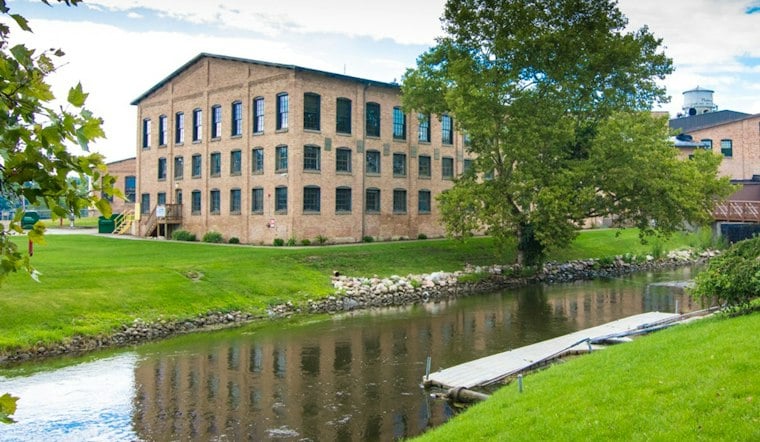
For nearly 26 years, the hulking brick buildings along the Kalamazoo River in Plainwell sat empty, a reminder of the paper mill that once anchored the small West Michigan city for 113 years before closing in November 2000. On Saturday, thousands of people walked back through its doors for the grand opening of the Michigan Classic Auto Mill, a new venture dedicated to restoring, storing and selling vintage vehicles inside the very walls where paper was once pressed into rolls.
From Bankrupt Mill to $1 Deal
The mill's path to reopening ran through bankruptcy, demolition and years of false starts. The city of Plainwell purchased the former paper mill site in 2006 after the original operation folded, and it later sold the remaining vacant buildings to Darius and Rimante Grigaliunas for just $1, with the city holding out for a buyer with, as officials had hoped, the right vision for the property, according to MLive. The 255,000-square-foot property at 211 N. Main St. includes garages and factory floors that now display classic cars where industrial equipment once ran.
The Grigaliunases aren't newcomers to this kind of transformation. The couple already owns Classic Auto Factory in DeKalb, Illinois, and has experience with a large industrial building, as mlive.com reported in September.
A Three-to-Five-Year Vision, Not a Flip
Darius Grigaliunas has described the Plainwell project as a long-term commitment rather than a quick turnaround. This is a three to five year journey, he said. This is not something that you just flip, according to the station's report from WWMT. He estimates the overall redevelopment will amount to a multimillion-dollar investment carried out over several years, with the Plainwell business focused on vehicles 20 years old and older and mechanics charging a flat rate of $99 per hour.
Grigaliunas, who competed in the 2004 Olympics, framed the project in personal terms at the opening. He said the family and community earned the right to open the mill, and that the effort was meant to serve the community rather than simply flip cars for profit. The vision he and his wife have outlined includes classic car restoration and storage, a showroom, live music, family activities and green space, per the same account from WWMT.
What's Planned for the Site
Beyond the garages, the couple's plans call for a riverside restaurant and café, an indoor athletic facility, a historical display, and a seasonal outdoor terrace. The mill is also expected to provide the Plainwell Farmers Market with indoor winter space, filling a gap for the market during the colder months, per mlive.com's earlier reporting. The former mill property is being split between this classic-car redevelopment and an adjacent project turning the former GHD office near City Hall into the Mill 17 wedding and event venue, according to Wilcox Newspapers.
The mill's road to this point wasn't just about finding a buyer. Roughly 60 to 70 percent of the buildings that once stood on the property were demolished over the previous decade, alongside extensive environmental remediation, the WWMT report noted.
Plainwell Officials See Jobs and Visitors Ahead
City officials have cast the mill's reopening as a turning point for Plainwell. The city also expects the redevelopment to bring new jobs, additional tax revenue and more visitors to Plainwell, WWMT reported. Separately, the city has been negotiating with a developer on plans for 50 single-family homes and 40 condominiums west of the mill, according to mlive.com.
Mayor Brad Keeler called the grand opening a great day for Plainwell. The celebration itself drew classic cars, bounce houses, local food trucks and family activities, along with an elevated concert stage where the band Headband Henny performed, according to MLive's account of the event.
Longtime Residents Reflect on a Changed Mill
For some who gathered Saturday, the reopening carried personal weight. George Brown, who started working at the mill in 1973 and rose to shipping superintendent about two decades later, attended the grand opening and said plainly that the mill would never reopen as a paper mill again.
Plainwell had already renovated buildings for its City Hall and public safety offices before the rest of the complex found new life. Now, with classic cars parked where rolls of paper once moved down factory floors, the mill is tentatively offering the city a different kind of second act.




