

























































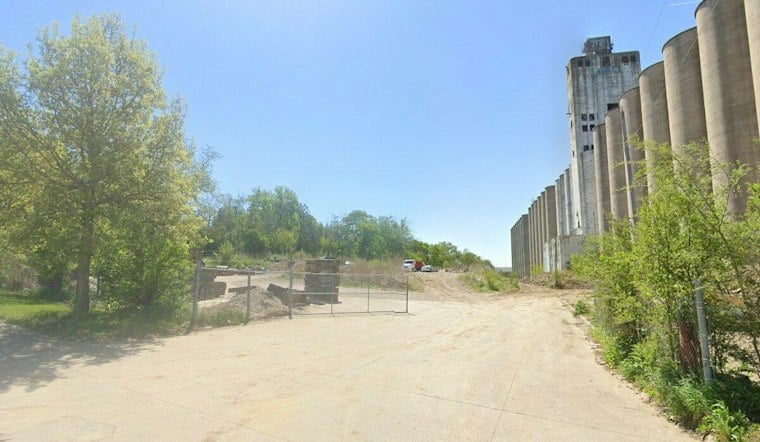
Kirsten Koba has flooded three times in the past 12 years, and the most recent one, last week, was the worst she has ever seen. Sewage bubbled up through her basement toilet and drains, ruining a tub that held her grandmother's letters and old family photographs. Now, as a planned 223-unit apartment project is proposed near the decommissioned grain silos off Interstate 80, she and her neighbors in the 35th and Frederick area worry the city's aging combined sewer system cannot take much more.
Koba's house has belonged to her family for generations, and she says she may need to move if her basement floods again. “I've never seen this level of flooding and destruction to homes in my lifetime,” she said, according to WOWT. Her neighborhood has experienced three major sewer backups in 12 years, including two in just the past five years, the station reports.
A $56 Million Project Rises Where Grain Silos Once Stood
The development drawing neighborhood scrutiny is a $56.2 million redevelopment that will demolish most of the historic grain silos near 34th and Vinton streets to make way for 223 market-rate apartments across four new buildings, according to Nebraska Public Media. A few silos will be incorporated into the design, while eight southern silos will be secured but not repurposed; the project will include studio and one-bedroom units. The Omaha City Council has already approved $10.4 million in Tax Increment Financing over a 20-year term for the project, after city economic development officials designated the site as an extremely blighted area, the same outlet notes.
Kevin Manzito, a neighbor near the project site, told WOWT he is concerned the development could overwhelm a sewer system that may already be maxed out. He said adding more than 200 homes or apartments to the area would pile new demand onto infrastructure that has repeatedly failed during storms. The neighborhood sits within Omaha's combined sewer system, which carries household sewage and stormwater runoff together in a single underground pipe network — a design that, per the station's report, can become overwhelmed during heavy rain and send combined wastewater backward into basements.
Why Older Omaha Neighborhoods Flood When It Pours
Omaha's combined sewer system primarily serves older sections of the city east of 72nd Street, where dry-weather flows reach treatment plants without issue but intense rain can rapidly exceed pipe capacity, according to a historical account from The Reader.
The city is in the midst of a nearly $2 billion infrastructure initiative called Clean Solutions for Omaha, undertaken under an EPA administrative consent order to comply with the federal Clean Water Act, according to the US Environmental Protection Agency. The program aims to capture or treat 85% of annual combined sewage volume by 2037 through roughly 60 separation and detention basin projects spread across 51 square miles. Alongside that effort, Omaha also runs its Renovation of Combined Sewers program, which targets sewer backups and localized flooding outside the CSO program, per Carollo Engineers.
What the City Requires of New Development
The Omaha Public Works Department requires all new developments to include stormwater controls ensuring no downstream increase in stormwater runoff, WOWT reports. Whether that standard will be enough to reassure residents who have already lost belongings to sewage remains an open question for many in the neighborhood.
City Councilmember Ron Hug is considering changes to the city's backflow valve program for areas with a history of sewer backups. Hug said the program could be revamped within the next month or so. Under the current structure, the city covers 80% of installation costs for backflow valves while homeowners pay the remaining 20%. The valves work by letting wastewater drain out toward the municipal sewer main while mechanically blocking surcharged sewage and rain from reversing into basements during heavy storms, according to DC Water.
Residents experiencing flooding or sewer backups can contact the city.



