

























































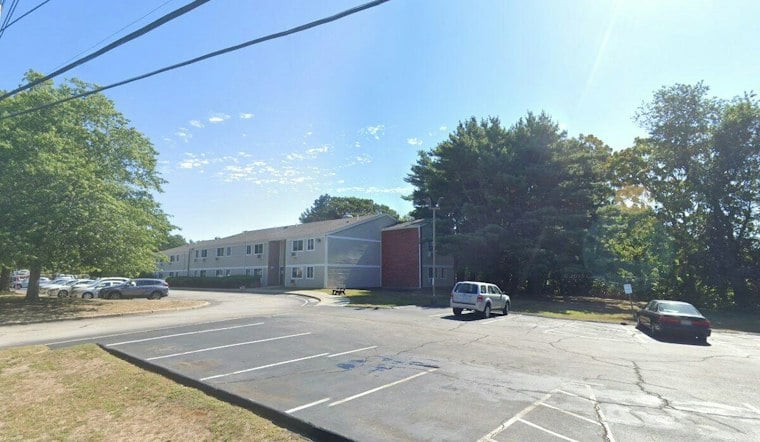
Rhode Island environmental regulators have cited a chromium-coating plant in Providence's Wanskuck neighborhood for 13 hazardous waste violations after finding chemical concentrations in underground containment pits that blew past federal safety thresholds by more than 100,000 times. The Rhode Island Department of Environmental Management sent Electrolizing Inc. a notice of intent to enforce after inspectors visited the plant on August 26, following complaints from anonymous employees a day earlier that a tank containing hazardous chemicals was leaking into the ground.
Electrolizing Inc. operates out of a facility at 10-20 Houghton St. and is owned by Armoloy Corporation, which has run precision chrome plating at the site since 1945, according to Armoloy. As reported by the Brown Daily Herald, RIDEM cited the company for insufficient labeling, failure to report spills, and inadequate waste storage procedures. State testing of liquid inside the plant's three containment pits measured chromium concentrations as high as 546,000 mg/L, drastically exceeding the federal 5.0 mg/L hazardous waste threshold, with total waste volumes estimated between 10,500 and 12,000 gallons, according to ecoRI News.
A Stain on the Plant Wall
Inspectors found a painted-over chromic-acid stain on the exterior plant wall, and testing showed soil beneath that wall had chromium levels close to regulatory limits, according to the Brown Daily Herald.
RIDEM classified all three containment pits as hazardous waste after testing showed they exceeded toxicity thresholds for both chromium and cadmium. As of September 1, the company had no procedure in place to pump out the containment pits after hazardous waste was released or spilled, and the pits remain covered only with open grating.
Worker Safety and Watershed Concerns
A former employee expressed concern about inhaling chemical vapor. The Houghton Street plant sits in a mixed industrial and residential stretch of Wanskuck, directly across from a Goodwill Outlet store and near Whipple Pond and the West River, per ecoRI News. Hexavalent chromium can pose health risks.
Federal workplace safety rules under 29 CFR 1910.1026 set the Permissible Exposure Limit for airborne hexavalent chromium at 5 micrograms per cubic meter of air as an 8-hour time-weighted average, with an action level of 2.5 micrograms triggering monitoring requirements, according to the Occupational Safety and Health Administration. OSHA inspected the Electrolizing facility on July 31 and is investigating the case; the Houghton Street inspection followed worker complaints and came after at least two employees sought urgent medical care for acute respiratory symptoms including sore throats and burning nasal passages, the ecoRI report noted.
Federal Standards and Potential Penalties
Under the federal Resource Conservation and Recovery Act, liquid waste or extract solutions containing chromium at or above 5.0 mg/L or cadmium at or above 1.0 mg/L are classified as toxic hazardous waste, per standards cited by the U.S. Environmental Protection Agency. RIDEM's September 25 notice of intent to enforce warned that failure to complete required compliance actions could lead to formal Notices of Violation carrying statutory civil penalties up to $25,000 per violation per day, the finishing-industry trade outlet reported.
The Narragansett Bay Commission separately issued Electrolizing Inc. a notice of violation for failing to properly notify authorities of the spill.
OSHA Investigation Continues
The outcome of OSHA's ongoing investigation, including whether plant workers were exposed to airborne hexavalent chromium above federal limits, remains pending.





