

























































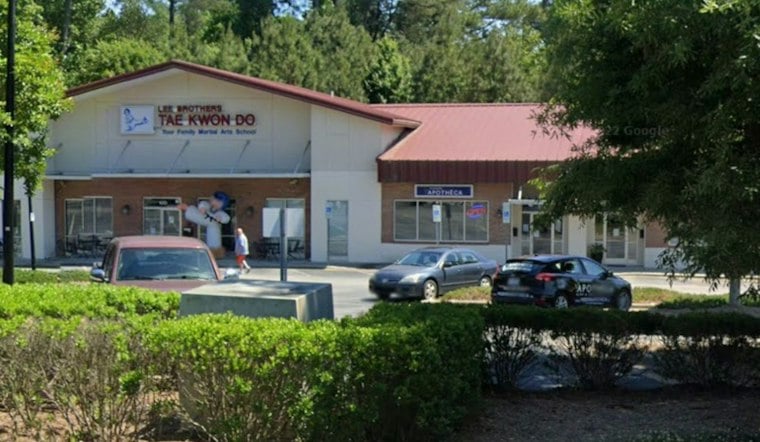
Bloom Collective, the botanical café and gathering spot tucked inside Modern Apotheca in North Raleigh, will shut its doors for good on Saturday, Oct. 24, 2026. The closure comes as the business braces for sweeping new federal hemp regulations, and it marks the end of four years of community events, workshops and markets at the space.
The business announced the closure through social media on Wednesday, according to the Raleigh News & Observer, saying it would shut down its location inside Modern Apotheca at 8604 Falls of Neuse Road in order to protect the dispensary's future. Bloom Collective described the decision as a way to downsize its operations and focus on the growth of Modern Apotheca, which the News & Observer describes as a North Raleigh dispensary that sells hemp, THC and CBD products in various formats. The café itself has offered CBD, delta-8 THC and compliant delta-9 THC drinks and baked goods, according to Modern Apotheca's own website.
Four Years of Workshops, Markets and Wellness Gatherings
Bloom Collective framed its closing message around gratitude, saying it was shutting down after four amazing years of community, events, workshops and markets, per the same News & Observer account. The business has hosted community events focused on wellness, art, plants and social gatherings, and Raleigh Magazine once described it as a newly debuted botanical haven tucked inside the dispensary.
Listings for the business show a minor address discrepancy worth noting: Modern Apotheca's own site lists its Raleigh storefront at Suite 104, while a Visit Raleigh listing places Bloom Collective at Suite 105 on the same Falls of Neuse Road block.
A Federal THC Deadline Driving the Decision
At the heart of Bloom Collective's move is a looming change to how the federal government defines legal hemp. The News & Observer reports that new federal hemp regulations are scheduled to take effect Dec. 11, 2026, while a separate report from agnavigator.com states the new federal definition takes hold Nov. 12, 2026 — both describing the same underlying shift from a delta-9 THC standard toward a stricter total-THC threshold. The PBS NewsHour reports that a government-funding bill delayed the ban's effective date from Nov. 12 to Dec. 11, which may explain the discrepancy between the two reported dates.
Under the new rules, PBS NewsHour reports the ban would limit the amount of THC in hemp products to just 0.4 milligrams per container — a dramatic tightening from the 2018 Farm Bill's standard, which the Congressional Research Service says classified hemp as cannabis containing no more than 0.3% delta-9 THC by dry weight. Hemp and marijuana come from the same cannabis plant but are classified differently based on tetrahydrocannabinol levels, a distinction that has underpinned the legal hemp market since federal legalization in 2018.
An Industry Worth Billions Facing Disruption
The stakes extend well beyond one North Raleigh storefront. A Whitney Economics report cited by PBS NewsHour estimated the ban could cut retail revenues nationwide by $28.3 billion, displace 225,000 jobs and reduce potential state sales tax revenue by $2.1 billion. North Carolina has emerged as a major player in that market since lawmakers made growing and selling hemp legal in the state in 2022, and the News & Observer reports a 2023 national cannabinoid report estimated the state had 328,000 hemp industry jobs and more than $13 billion in wages, ranking North Carolina sixth nationwide for the number of hemp suppliers.
Other hemp businesses around the country are already feeling the squeeze. PBS NewsHour reports that Drinkin' Buds, a cannabis beverage company in Sheboygan, Wisconsin, has mothballed production amid the uncertainty, while the Oregon Capital Chronicle reports that Oregon CBD Company plans to close by the end of its own month in response to the same federal law. Not every hemp company is retreating, though — PBS NewsHour notes that Cornbread Hemp, which has 105 employees and sells hemp beverages in 18 states, still expects to bring in $65 million this year.
For now, Bloom Collective's closing message to its North Raleigh community centers on preserving what comes next rather than dwelling on what is ending. By narrowing its focus to Modern Apotheca, the business is betting that a smaller footprint can survive a regulatory shift that is already reshaping hemp businesses from Raleigh to the West Coast.



