

























































A cost-saving choice with customer consequences
Restaurants are considering AI marketing tools amid financial pressure. The National Restaurant Association reported that 26% of restaurant owners use AI, mostly for marketing, while 42% of operators said their businesses did not make a profit in 2025, according to CNN. In Canada, Restaurants Canada found that 41% of surveyed members were losing money or breaking even, CBC reported.
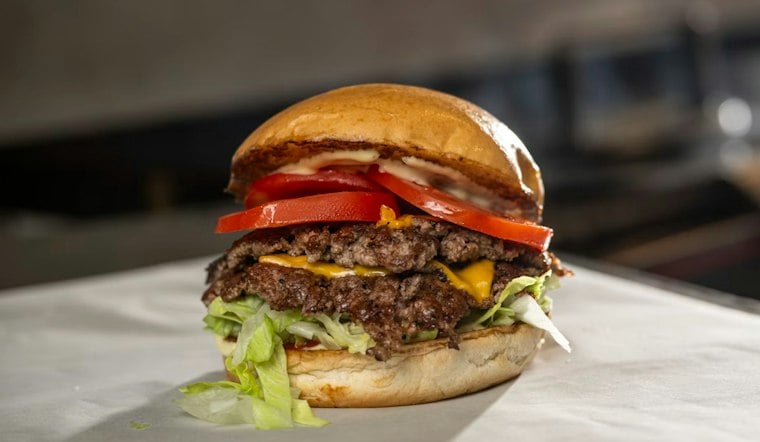
For some operators, AI is a way to produce marketing images faster; others use it to alter photographs of food they have prepared. CBC reported that The Fancy Induced Burger uses AI to enhance phone pictures of its food. A staff member checks the results for changes, such as ingredients that were not in the original. The company said the process can produce an image in five to 10 minutes.
For diners, the image sets an expectation
That expectation can affect how customers view a restaurant. CBC reported that diners have circulated images they believe were generated by AI, describing them as surreal or unappetizing. One customer said the images made the restaurant seem inauthentic and raised doubts about what would arrive at the table.
A 2025 study found that viewers rated somewhat imperfect AI food images as more uncanny and less pleasant than either clearly unrealistic images or highly realistic ones. It also found that food neophobia—the tendency to be wary of unfamiliar foods—was associated with how uncanny viewers found the images, while general food-disgust sensitivity was not, according to the study published on ScienceDirect.
How an image is made—and what it shows—may matter
Evidence about how well people identify AI-made food pictures is mixed across settings and studies. A 2023 survey of 100 people found that more than 60% could not distinguish authentic food photographs from AI-generated ones, CNN reported. A 2024 University of Oxford study found that consumers generally preferred AI-generated food images when they did not know how they were made, but rated them less appealing after learning they were machine-made, according to The Guardian.
The distinction between creating an image from scratch and editing a photograph of real food may matter to customers, but either approach depends on accuracy. CBC reported that The Fancy Induced Burger’s staff review enhanced images for additions that could mislead customers. The outlet also noted that images that do not resemble the food being sold may fail to attract diners.
Local pressure and what inspections check
The financial strain extends beyond marketing budgets. The Los Angeles Business Journal, citing the California Employment Development Department, reported that more than 150 restaurants in Los Angeles County closed in 2024 and over 100 shut their doors in the first quarter of 2025. Those figures document closures, not openings, and offer context for the cost pressures behind businesses’ marketing choices. Los Angeles County Environmental Health says inspectors conduct truth-in-menu investigations to verify that advertised food is actually being offered. That describes checks on the food being offered; the county’s description does not establish that inspectors authenticate menu photographs.
Some businesses reject AI marketing outright
Some restaurants have instead made their refusal to use AI part of their public-facing message. Futurism reported on businesses posting handwritten notices that they would not use AI to promote themselves. That response turns a production choice into a signal about how a restaurant wants customers to see its marketing.





