

























































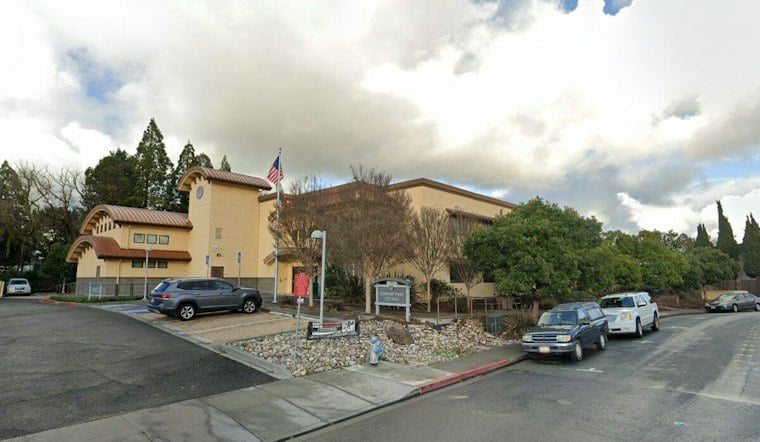
Rohnert Park voters will decide Nov. 3 whether to approve Measure K, a half-cent sales tax that supporters say would pump $5.5 million a year into city coffers to shore up public safety, water and road funding. The region's third-largest city has drained its reserves from $33 million to $22 million over two years, frozen or cut nearly two dozen positions, and watched its public safety department carry six vacant posts even as it polices a city of roughly 45,000 with about five officers on patrol at any given time.
What Measure K Would Actually Change
If approved by a simple majority, Measure K would raise Rohnert Park's existing half-cent supplemental sales tax to a full cent, pushing the city's overall sales tax rate to 10.25 percent, according to The Press Democrat. That existing half-cent tax was approved for indefinite extension by voters in a 2013 special election, and the new measure would carry no sunset clause, remaining in effect unless a future vote overturns it. City materials describe the new money as locally controlled funding that could not be taken by the state, with all proceeds required to stay in Rohnert Park, according to a city of Rohnert Park announcement.
The city's own ballot information page frames the stakes in concrete terms: if enacted, Measure K would provide $5.5 million annually to maintain emergency response, protect local drinking water, fund parks and support property-crime prevention, per city of Rohnert Park materials. In practical terms for shoppers, the tax would add 50 cents for every $100 spent on taxable purchases in the city.
A Budget Squeezed From Multiple Directions
The fiscal backdrop driving Measure K is stark. The Press Democrat reports Rohnert Park's general fund sits at $57.8 million, with city projections showing expenses growing about 3.3 percent annually over the next three years while revenues steadily decrease by more than 2 percent — a scissors effect that officials project will produce a structural deficit of roughly $10.8 million by fiscal year 2030-31. Department heads were directed to cut budgets by as much as 20 percent between 2024 and 2026, the city eliminated five positions and froze 18 more over that span, and those reductions and freezes together saved more than $3 million.
Earlier budget reporting had already flagged the strain building toward this moment. Rohnert Park faced a $5.2 million budget deficit heading into fiscal year 2025-26, with Finance Director Betsy Howze attributing much of the gap to businesses closing and fewer sales-tax dollars flowing into city coffers, per the paper's earlier coverage of the city's finances. The initial 2025-26 budget plan had called for $55 million in spending against just $49.8 million in estimated revenue, though the city later announced it had adopted a balanced $175.7 million overall budget, including a balanced $57.6 million general fund, according to a city civic alert. A more recent fiscal 2026-27 projection showed a different shortfall still looming, with $52.6 million in expected revenue against $59.3 million in proposed spending — a gap of about $6.7 million that the city planned to close partly through one-time reserve use and workforce freezes, per reporting from citizenportal.ai.
The squeeze has already shown up in day-to-day city life. Rohnert Park closed its pools from November through January, considered an $800,000 reduction in homeless-services contracts tied to SHARE and Catholic Charities, and tentatively approved just $500,000 for public-works maintenance even though the department had requested $2 million. The city ultimately reduced homeless services spending by $800,000, even as Catholic Charities warned that 17 formerly homeless individuals could risk losing housing and supportive services if the cuts proceeded.
Who's Backing Measure K, Who's Fighting It
The Yes on K campaign is chaired by Greg Nordin, a former city councilmember, and has built a visible ground game: nearly 100 yard signs, roughly 3,000 door-hangers, two mailers, and $55,000 raised so far, according to The Press Democrat's reporting. Major contributions came from the political arm of the Rohnert Park Police Officers Association, which gave $25,000, and SEIU Local 1021, which contributed $15,000. The campaign has also drawn endorsements from the North Bay Labor Council, SEIU Local 1021, the Rohnert Park public safety union and several unnamed business leaders.
Former Mayor Sonu Chandi, among five former mayors — alongside Jake Mackenzie, Carl Leivo, Thomas Isaak and Sherlyn Rogers — who back the measure, said local services and infrastructure investment need to be maintained. Councilmember Marcela Piedra framed the choice bluntly for residents: pay more now or face decisions that will affect them regardless, according to the same Press Democrat report.
But not every former mayor is on board. Opposition to Measure K has also come from within the city's political ranks, with a No on K campaign led by Joe Callinan, Pam Stafford, Gina Belforte and Amy Ahanotu arguing that City Hall should scrutinize discretionary and other spending before asking residents for more tax revenue. That campaign has raised more than $8,800, a fraction of the Yes side's war chest, per the newspaper's account.
Part of a Broader Pattern Across the North Bay
Rohnert Park is hardly alone in turning to voters this cycle. Three Sonoma County municipalities are asking residents to support sales tax increases in the November 2026 election. In Windsor, town leaders are urging support for Measure I, the town's first supplemental sales tax, after officials said they've already trimmed spending over the past two years but still need added revenue to stabilize operations and avoid deeper service cuts, as detailed by The Press Democrat.
The pattern extends beyond Sonoma County's borders. Three Napa County jurisdictions are seeking sales tax increases this cycle for purposes ranging from parks and fire mitigation to general municipal budgets, while residents of Fairfield, Vacaville and Rio Vista in Solano County are weighing their own sales tax measures in November, according to Local News Matters. For Rohnert Park, which the city says holds about 4,000 active business licenses generating roughly $500,000 in licensing fees and employs about 420 full-time, part-time and seasonal workers, Measure K's fate now rests with voters weighing a familiar North Bay question: pay more at the register, or accept further cuts to the services the city can still afford.





