

























































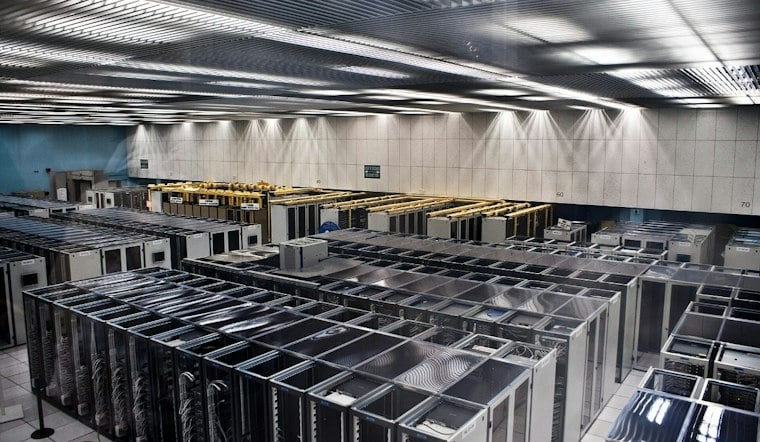
In Gallion, an unincorporated community of roughly 2,000 people about 100 miles west of Montgomery near the Mississippi line, residents have packed public meetings, built Facebook groups and signed an online petition with more than 600 signatures to fight a hyperscale data center scouting their area. The land they are trying to protect sits near an Alabama Power gas plant, the Black Warrior River and extensive power lines — exactly the kind of infrastructure that makes rural Alabama attractive to developers in the first place.
Why Developers Keep Landing in Unzoned Territory
That infrastructure access is only part of the draw, according to AL.com, which reports that Alabama's state constitution has limited local governments' ability to control zoning for more than a century, and that data center companies specifically target rural areas with limited zoning power. Gallion residents want county government to create industrial zoning rules, but Alabama's counties lack home-rule authority to even create zoning boards in the first place, the outlet reports.
Katherine Eddins, who lives on a 900-acre family farm in Gallion, put it plainly in comments reported by the same outlet: rural areas are targeted because they lack zoning and are more vulnerable. Eddins said she does not want to sell her land to hyperscale data center developers. Sonny Brasfield, also quoted in the report, said rural Alabama residents have historically moved outside cities specifically to avoid regulation — the same absence of oversight now drawing industrial-scale computing projects to their doorsteps.
Land Rush Spreads to Marengo and Hale Counties
Land is now being optioned in Marengo and Hale counties for hyperscale data center construction, with potential development spanning around 1,000 acres or more near Highway 80 and County Road 2 outside Demopolis, per the same report.
Alabama's rural counties cannot ban, regulate, pause or stop specific data center developments once they're underway, the report notes, though cities with fewer than 5,000 residents can pause new projects for one year. At least 17 Alabama cities have used that authority to halt data center development, joining a wider national pattern — a University of Virginia Digital Technology for Democracy Lab tally cited by the outlet found that communities nationwide have considered or adopted similar temporary bans. In Morgan County, commissioners voted unanimously in June 2026 to ban data centers for one year, a local response that unzoned areas like Gallion simply cannot replicate.
Project Red Clay Looms Large in Lowndes County
Nowhere is the tension sharper than in Lowndes County, where fewer than 10,000 residents live and a petition opposing Project Red Clay had surpassed 1,000 signatures in May. The county's namesake fight is Project Red Clay, a hyperscale data center planned by Cloverleaf Infrastructure for an approximately 800-acre site, which Cloverleaf has described as a minimum $1.5 billion investment — and set to rise just 800 feet from resident Marie Barnes's home.
The project's site, an 800-acre parcel, sits about half a mile from the Robert Gardner Farm, known as Campsite 3 along the historic 1965 Selma-to-Montgomery voting rights march route on U.S. Highway 80, according to Yellowhammer News. The Gardner family famously refused cash bribes and faced violent threats to shelter marchers there in 1965, according to the outlet. Cloverleaf Infrastructure, the Houston-based speculative developer behind the project, received a minority investment from AI chipmaker Nvidia in August 2026, Yellowhammer News reports. Developers requested 1,500 megawatts of electricity capacity from Alabama Power and up to 100,000 gallons of water per day from the local Pintlala Water System for the project, according to WBHM.
If Project Red Clay receives tax breaks, Lowndes County could receive $115 million in county funds over 20 years, and the project would generate $75 million in tax revenue for county schools, per AL.com's reporting.
A Statewide Rush Against the Tax-Break Clock
Alabama's data center industry now includes at least a dozen proposed developments, according to AL.com. Much of that activity is being driven by a looming deadline: the state currently allows data centers granted abatements before 2027 to receive state, county and city property-tax cuts for up to 30 years, with abatements capped at 20 years starting in 2027, the outlet reports. Companies are competing hard for land with transmission-line, natural-gas and permitting access already in place, moving quickly and often with secrecy, according to the report.
The scale of that statewide push is reflected in a 2026 energy analysis cited by Inside Climate News, which found that at full buildout, the dozen proposed hyperscale projects across Alabama would consume more electricity than all residential homes in the state combined. The Alabama Legislature will resume its session in February 2027, giving lawmakers another chance to revisit the rules before the next wave of projects breaks ground.
A Flashpoint in Alabama's Governor's Race
The fight over rural zoning power has also spilled into Alabama's 2026 gubernatorial race. Democratic nominee Doug Jones has called for a one-year statewide moratorium on new AI data center construction, according to BirminghamWatch. Republican nominee Sen. Tommy Tuberville initially gave full-throated support to data centers, but later proposed requiring companies to pay full taxes and cover energy costs; he also promised to end tax breaks and support communities that reject projects. Senate Bill 270 is an enacted law requiring the Public Service Commission to consider whether large-load contracts recover incremental costs, per Yellowhammer News reporting.
The state legal structure, as AL.com's reporting makes clear, still leaves residents in Gallion and Lowndes County with few tools to say no.



