

























































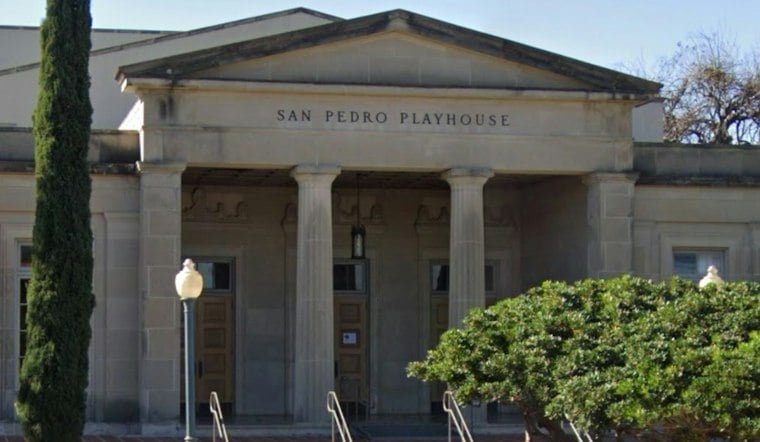
Texas's new school voucher program took center stage at a San Antonio District 1 town hall, where a panel of elected officials pressed hard on whether the state's billion-dollar experiment in private-school funding is actually reaching the students who need help most. The event, hosted by District 1 Councilmember Sukh Kaur at the San Pedro Playhouse, drew U.S. Representative Joaquin Castro, state Senator José Menéndez and state Representative Diego Bernal to a stage meant to cover property taxes, housing, immigration and transportation — but it was the state's Education Savings Account program that dominated much of the discussion.
As reported by WOAI, the town hall gave District 1 residents a rare chance to question their representatives directly, and the voucher program — formally known as Texas Education Freedom Accounts — quickly became a flashpoint. Governor Greg Abbott signed the program into law through Senate Bill 2 on May 3, 2025, creating a $1 billion taxpayer-funded system for the 2026–2027 school year, according to a Texas Newsroom account of the signing. Lawmakers approved the bill only after multiple special sessions and a wave of primary wins by pro-voucher candidates, that reporting noted.
What Families Actually Receive
Under the law, participating families get roughly $10,330 per school year to put toward private school tuition, while homeschooled students can receive up to $2,000 and students with special education needs qualify for as much as $30,000, per Raise Your Hand Texas. State officials opened online applications for the program's first year in February 2026, and by August the Texas Comptroller of Public Accounts reported more than 85,000 students had confirmed enrollment — making it the third-largest education savings account initiative in the country.
Bernal told attendees he respects parents' right to choose their children's schools, per the WOAI report, but he also raised concerns about how voucher policies affect public education more broadly. Menéndez, for his part, questioned the cost of the program and pressed on whether private schools accepting taxpayer money should face the same accountability requirements imposed on public schools. He said he does not blame parents for the choices they make and respects those decisions, but added that he has policy issues with the voucher program itself, the station reported.
Special Education Access Under Scrutiny
Lawmakers at the town hall also raised concerns about private-school access for students with disabilities, according to WOAI's account. Those concerns track with a warning from the Texas Council for Developmental Disabilities, which notes that students with disabilities who enroll in private schools using state voucher accounts forfeit their Individualized Education Program rights and the federal protections guaranteed under the Individuals with Disabilities Education Act. Private schools are not required under state law to offer special education services at all.
The panel's questions about whether Texas should be prioritizing more public education funding arrive against a backdrop of strained district budgets. Texas House Bill 2, passed in May 2025, raised the basic public school funding allotment by just $55 — from $6,160 to $6,215 per student — for the 2026–2027 biennium, a figure the Texas Education Agency has confirmed. Policy analysts noted that amount remains roughly $1,500 below 2019 funding levels once adjusted for inflation, even as districts had pushed for larger per-student increases to keep pace with rising costs.
Local Schools Already Feeling the Squeeze
San Antonio Independent School District planned to close 15 schools, with 13 closing at the end of the 2023–2024 school year and two later, amid declining enrollment, according to KENS 5.
Kaur, who hosted the town hall, brings her own background in education policy to the debate. She holds a doctorate in K-12 educational leadership and founded EDreimagined, an education consulting firm that helps public school districts launch charter school programs, according to the San Antonio Report. She was elected to represent District 1 on the San Antonio City Council in June 2023.
The debate over vouchers in San Antonio did not begin at this town hall. Abbott himself promoted the state's voucher proposal during a February 2025 event at San Antonio Christian School, where he was met by public education protesters who argued vouchers divert needed funding from public districts. That earlier visit came as part of a broader campaign Abbott waged across Texas to push school choice legislation through the Legislature.
A Federal Tax Credit Looms Next
The state voucher program will soon be joined by a federal incentive. The U.S. Treasury Department this month issued regulations for the federal Education Freedom Tax Credit, which begins in 2027 and will allow individual taxpayers to claim up to $1,700 in federal tax credits for contributions to K-12 private scholarship organizations, according to reporting cited by Texas Public Radio. That federal program will let scholarship organizations subsidize private tuition for families earning up to 300% of median income, adding another layer of subsidized private education on top of the state's existing accounts.
San Antonio's municipal government, meanwhile, is navigating its own fiscal strain. City council members faced budget shortfalls in September that threatened potential cuts to public libraries and social programs, alongside internal friction over funding priorities, per the San Antonio Report. That backdrop of tight municipal budgets sits alongside the state-level questions raised at the District 1 town hall about whether billions in public dollars are flowing to the students — and the schools — that need them most.





