

























































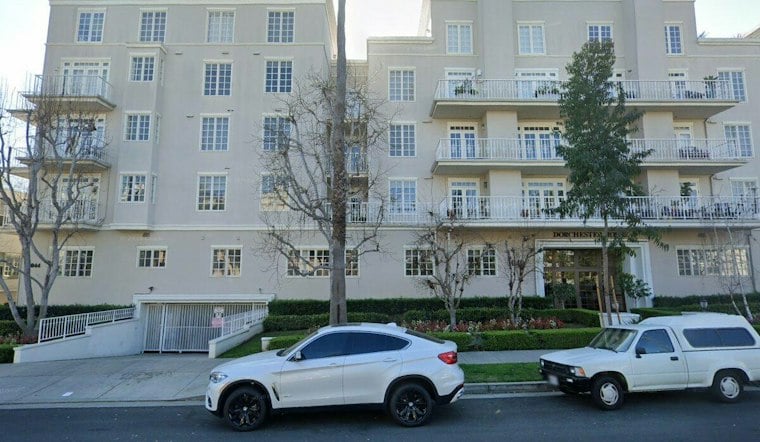
Santa Monica officials have secured a $20,000 penalty and extended affordability protections across five apartment units after a city audit uncovered reporting and occupancy violations at two local properties. City prosecutors announced the settlements with the two property owners following an investigation by the Santa Monica City Attorney's Office and the city's Housing Division into compliance with local rent restrictions.
The inspection flagged violations at 1047 Fourth Street and 1537 15th Street, where building managers improperly verified tenant income, failed to prove units were occupied by qualified households, prolonged unexcused vacancies, and submitted incomplete annual reports, according to the Santa Monica Mirror. Under Santa Monica's Affordable Housing Production Program, property owners with covenanted affordable units are legally required to submit annual reports detailing unit identification, current rent levels, vacancy status, and verified household income to maintain program compliance, Patch reports. Those same program rules give placement priority to households that currently live in Santa Monica or work at least 25 hours a week within city limits, per the city's Below Market Housing Program guidance.
Two Owners, Two Different Penalties
Quest Properties, LP, which owns the Fourth Street building, agreed to pay $20,000 toward citywide affordable housing programs and accepted a five-year extension on rent limits for its units. The owner also accepted mandatory disclosure notices to residents and a probation period allowing local officials to mandate a city-approved third-party property manager if future violations occur, according to a statement from santamonica.gov.
LA Urban Townhomes II, LLC, which owns the 15th Street property, accepted a one-year extension on its affordable unit's rent limits as part of its own settlement. Neither Quest Properties nor LA Urban Townhomes II admitted liability under the agreements. Santa Monica City Attorney Heidi von Tongeln said the city appreciates property owners' contributions to local housing efforts but that her office will pursue enforcement action whenever bargained-for affordable housing benefits are not provided, according to the Santa Monica Lookout.
Why Deed Restrictions Matter in a Rent-Control City
The stakes behind these covenants trace back to state law. California's Costa-Hawkins Rental Housing Act of 1995 exempts rental housing built after February 1, 1995, from local rent control, which makes Santa Monica's Below Market Housing Program deed restrictions the primary mechanism for enforcing rent limits on newer apartments, santamonica.gov notes. City staff monitor properties under the program to ensure continued compliance, since the Below Market Housing Program covers newer residential buildings that fall outside traditional state rent control protections.
The Fourth Street units were originally covenanted in January 1988 with an expiration date of January 2043, according to Santa Monica's Housing Needs Assessment; the settlement's five-year extension now pushes that affordability requirement to 2048. The single affordable unit at 1537 15th Street was recorded in February 1989 with an expiration originally set for February 2044, per the same assessment, and the one-year extension secured in this settlement moves that date to February 2045.
A Fraction of the Cost of Building New
Altogether, the 2026 settlements extend rent limits and affordability protections across five residential units for a combined six additional years between the two properties, without either owner admitting legal liability, the Santa Monica Lookout reports. City records in Santa Monica's Housing Needs Assessment show that building a new affordable housing unit in the city costs an average of $480,000, underscoring why preserving existing covenanted units through enforcement carries real economic weight for a coastal market where land and construction costs run high.
This isn't the first time Santa Monica prosecutors have leaned on forced third-party management as a remedy for noncompliant landlords. In February 2025, the City Attorney's Office obtained a $450,000 settlement against a local landlord that similarly required the owner to step down from direct property management in favor of a city-approved third-party manager, illustrating what has become an established enforcement playbook in the city's housing cases.




