

























































An anonymous Seattle resident paid a bass drummer to trail a Christian street preacher for more than an hour, drumming alongside his sermon in an attempt to drown him out. The Redditor shared video clips of the stunt online, and the resulting post drew nearly 2,000 comments as the city's long-simmering fight over amplified preaching outside Mariners games found a new, noisier chapter.
The drummer kept playing as he walked beside the preacher between stops, according to thenerdstash.com, which reported the Washington man said he was willing to spend $100 on the experiment. The Redditor, who requested anonymity citing safety concerns, told KUOW the idea began as a one-off thought about drowning out the preacher's noise before it grew into something bigger.
A Stunt That Found an Audience
The response, per the same account, was overwhelmingly supportive, with people offering to chip in money for the drummer or other musicians and suggesting additional instruments to join in. The Redditor said he wanted any crowdfunding effort to be transparent about how the money would be used, and he reaffirmed plans to keep funding musicians to accompany the preachers going forward. He also said he opposes any violence or damage to the preachers' equipment, framing the drumming itself as musicians exercising their own free speech alongside the preachers.
Not every reaction has been friendly. The original poster said the thread attracted more negative comments once it spread beyond the Seattle subreddit and reached a wider audience online. Thenerdstash.com separately noted the man had floated paying musicians to follow the preacher for one to two hours before games or other events, an idea that drew its own wave of support in the comments.
Years of Friction Outside the Ballpark
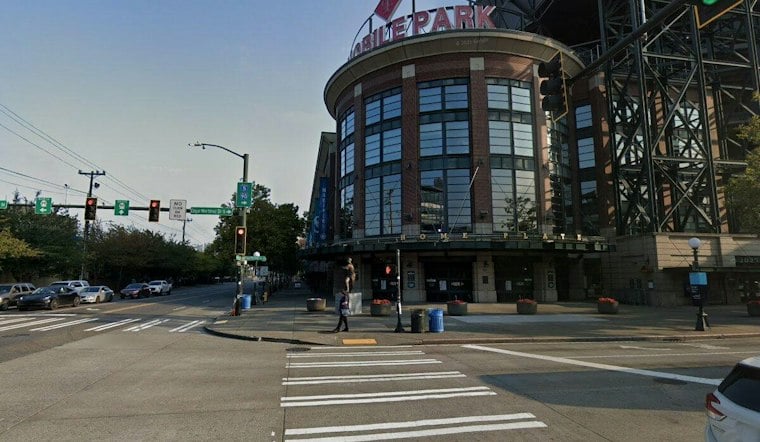
Street preachers have been a fixture outside Seattle's sports stadiums for years, often preaching with megaphones to crowds filing into games. Ron Cardiel, one of the preachers, told KUOW he has preached at well over half of the Mariners' home games for the past 13 years, saying he and fellow preachers simply share the gospel with people waiting in line. The friction escalated enough that T-Mobile Park sent fans a survey last fall asking whether amplified noise outside the stadium affected their experience, their sense of personal safety, their well-being, or their willingness to return, according to KOMO News.
Neither T-Mobile Park nor the Mariners had provided KUOW with survey results or further plans by the time of publication. The team has been working with the Seattle City Council on a proposal that would limit loudspeakers before and after events, as reported by Sports Business Journal. Mariners Deputy General Counsel Christian Halliburton has pointed to a recent uptick in both the volume and aggression of megaphone preachers before games, per Lookout Landing, which reported the bill had not yet been introduced to the council but that the team hoped to pass it before the 2026 season. The proposal would not fully ban preaching outside the ballpark but would restrict amplified sound from organized groups at close range, and the Mariners have also planned signs with a QR code directing fans to a comment form about the noise.
Dueling Decibel Readings
A man speaking at a Seattle City Council meeting reported street preacher sound readings above 110 decibels, with one measurement hitting 121.7 decibels. Separate reports have cited other figures: Sports Business Journal noted a July television report measuring a megaphone above 120 decibels, while Lookout Landing cited a FOX 13 Seattle report putting the reading at 122 decibels. Cardiel has disputed the sound readings, saying different meters produce different measurements. Seattle's noise control code sets maximum permissible sound levels and caps daytime noise in commercial zones, including the area around T-Mobile Park, at 60 decibels.
Who Actually Enforces the Limit?
Despite the numbers being thrown around, no single agency appears ready to step in. The Seattle Police Department has said it does not enforce the specified noise limits and cannot restrict free speech because of volume alone. The Washington Department of Ecology has said local governments are responsible for setting and enforcing noise limits based on land use, while Public Health — Seattle & King County has said it has no role in enforcing noise ordinances. Seattle's own guidance on noise complaints describes amplified sound as a potential public nuisance and says a violation can be a civil infraction carrying a fine of up to $50, according to the city's Police Department; separate city guidance from the Seattle Department of Construction and Inspections lists horns, music and amplified sound among examples of nuisance noise.
The enforcement gap matters because courts have repeatedly sided with preachers when cities have tried to curb their volume. A federal appeals court ruled that Seattle's arrest of street preacher Matthew Meinecke, based on how a crowd reacted to him, was an unconstitutional infringement on religious and political expression, as reported by the Herald. Similar fights have played out elsewhere: a federal judge allowed First Amendment claims from three Chicago street preachers to proceed in a February 2025 order, according to USA Today, while a Forest Park, Georgia, preacher was cited for noise amplification in July after officials said he had ignored three requests to lower his volume. Those cases underscore why any Seattle ordinance will need to be applied evenly, regardless of a speaker's message, if it is to survive a legal challenge. For now, whether the city, the Mariners or the courts will ultimately settle the standoff remains an open question — leaving the drummers, for the moment, as the loudest answer anyone has tried.


