

























































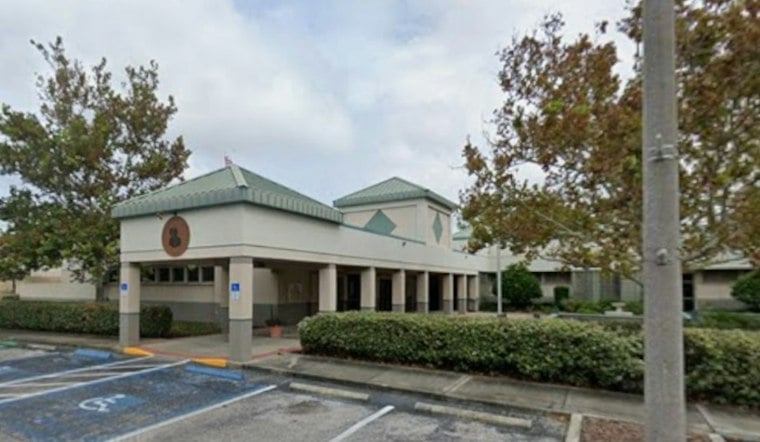
The city of Seminole has removed some links from its website after a Republican state representative accused officials of illegally campaigning against a statewide property-tax amendment on the public's dime. The dispute centers on an Amendment 3 information page the city posted over the summer, which drew a legal threat, a tense special council meeting, and sharp words aimed at the lawmaker who started it all.
State Rep. Berny Jacques, who represents Seminole, alleged the city engaged in unlawful electioneering by publishing what he called information that is not accurate, fair, or impartial, according to a report from tampabaybeacons.com. The complaint focused on a City Alert titled Amendment 3 Information that Seminole sent out July 15 containing seven links, including a county property-tax-impact document, statements from four organizations opposing the amendment, and two news articles, according to WFLA. Jacques gave city officials a Sept. 30 deadline to pull the material or face a lawsuit or an investigation, per the same tampabaybeacons.com account.
Council Holds Emergency Session Over the Threat
The Seminole City Council called a special meeting on Sept. 30 to weigh Jacques' letter and decide what, if anything, to do with the webpage, the outlet reported. City council members criticized Jacques' approach to the matter rather than simply complying outright, and the session turned into a broader airing of frustration with how the complaint had been handled. Vice Mayor Chris Burke went furthest, calling Jacques “the shame of Seminole.”
The remark carried an edge given the two men's history: Seminole officials had visited Jacques at his Tallahassee office in April 2023, where he was presented with and held a plaque from the city, per the same Tampa Bay Times report. City Manager Ann Toney-Deal's materials figured in deliberations, and council member Trish Springer participated in discussions over how to respond to the threat, the paper noted.
What Stayed and What Got Cut
The council ultimately settled on removing all six outside links Jacques had challenged, according to St. Pete Catalyst. That meant stripping the two news articles and four organizational statements opposing Amendment 3, while keeping the information page itself live. The revised page will retain the Pinellas County analysis and add the amendment's full ballot text, a state financial analysis, and graphics and information presented by Toney-Deal, per the Catalyst's reporting.
City staff told the council the Amendment 3 section had drawn 407 unique visitors since it was posted over the summer, a modest number for a page that triggered a legal standoff. The council approved the changes, with Springer casting the lone opposing vote, the Catalyst reported.
Jacques Pressed Largo Over a Similar Complaint
Seminole was not the only city to draw Jacques' attention. He sent a similar electioneering complaint to Largo on Sept. 1, this time over a city-sponsored forum that featured former state Sen. Jeff Brandes, an opponent of Amendment 3, without initially offering a contrasting speaker, according to the Catalyst's account of his challenge to that city.
At the center of both disputes is Florida's restriction on local government spending tied to ballot measures. Under state law, a local government may not expend or authorize public funds for a political advertisement or electioneering communication concerning an issue, referendum or amendment subject to a vote of the electors, according to The Florida Senate.
Why the Amendment Has Cities on Edge
The underlying measure would raise Florida's homestead exemption on non-school property taxes from $50,000 to $150,000 in 2027 and to $250,000 in 2028, if 60% of voters approve, according to tampabaybeacons.com's coverage of a contentious town hall in Largo. Seminole city staff have estimated the change would cut the city's property-tax revenue by $1.31 million in the first year and $1.94 million in the second, prompting early talk of belt-tightening.
Potential cuts floated at a Sept. 9 budget workshop include closing the municipal pool, reducing library hours, ending Music in the Park and the holiday parade, and shifting street-lighting costs onto residents, according to tampabaybeacons.com's reporting on the workshop. No decisions were made that day; the session was designed only to lay out options. Largo faces a steeper hit, with City Manager John Curp telling residents the city is looking at a $15.7 million reduction over the next two years.




