

























































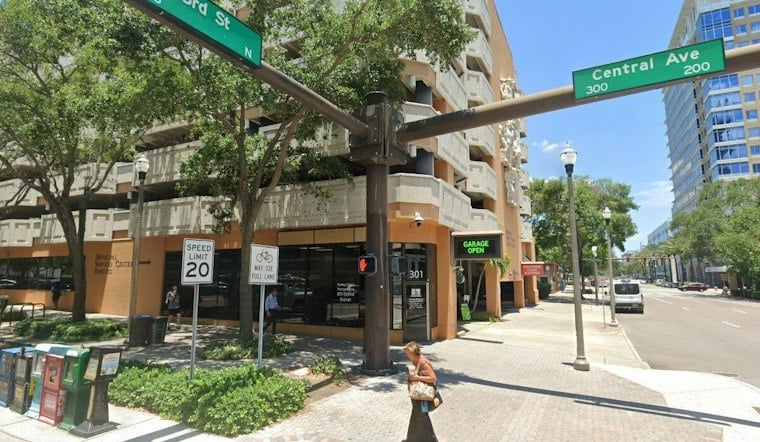
Drivers who park in downtown St. Petersburg could soon pay nearly double for a parking ticket, as city officials weigh a sweeping increase to fines, permits and boot-removal fees. The penalty for an expired meter or pay station alone could jump from $17.50 to somewhere between $32 and $32.50, depending on which account of the proposal is correct.
Fines Could Climb Across the Board
According to the St. Pete Catalyst, the penalty for an expired meter or pay station would rise from $17.50 to $32.50, while most other parking violations would climb from $30 to $45. A separate report from Bay News 9 put the pay-station violation figure at $32 rather than $32.50, a discrepancy that has not been resolved in public reporting. Either way, the bump marks one of the more significant parking-fine increases the city has floated in recent memory.
Unauthorized parking in residential permit-only areas would carry a $65 ticket, up from $50, per the same Catalyst report. Annual residential parking permits would double from $15 to $30, and monthly downtown parking permits would rise from $20 to $25 — a change that, according to MyQ105, would push the annual cost of a downtown permit from $240 to $300. The charge to remove a parking boot would also double, from $25 to $50, while the fine for illegally occupying a disability-reserved space would hold steady at $250, the Catalyst reported.
Council Sets Stage for a Final Vote
The city's Budget, Finance, and Taxation Committee first advanced the proposal for full council discussion at its August 28 meeting, Bay News 9 reported. City Council then unanimously advanced the increases, setting a public hearing and final vote for Thursday, according to the Catalyst's report, which noted the increases were not yet in effect as of publication.
City leaders have framed the higher rates as a way to encourage drivers to move their cars more quickly and free up spaces for businesses, according to a report from Tampa Bay 28. The outlet also reported that council members are weighing an increase to unauthorized residential parking ticket rates as a way to ease neighborhood overcrowding tied to downtown and park events.
Drivers Describe a Daily Scramble for Spots
For some St. Petersburg residents, the proposal lands amid an already frustrating search for parking. A resident named Suann Young told Tampa Bay 28 that sometimes you cannot find a parking spot anywhere, and described leaving her flashers on and skipping payment at spaces that require it while hoping to avoid a ticket. She said higher prices could leave people unable to afford the extra time they might need.
Another resident, identified only as Steve, told the outlet that finding parking in downtown St. Petersburg is hit or miss and can require driving around the block. A third resident, Kerem Esin, said drivers should simply know where they are parking, what the fines are, and what the consequences will be. Esin said he opposes paying to park in front of his own house, but added that downtown activity or park events can make neighborhoods crowded, and that he accepts the possibility of higher parking tickets as long as neighborhood parking stays affordable. He said parking policy should strike a balance between resident convenience and the broader benefits of city living.
Part of a Wider Tampa Bay Trend
St. Pete's proposed increases arrive against a backdrop of climbing parking costs across the region. A September report from the Tampa Bay Times found that parking prices from the beaches to downtown have been climbing and could get worse. For comparison, the city currently charges $1 to $1.50 per hour for on-street metered parking, according to the City of St. Petersburg, which also lists five residential parking permit zones citywide, with permits valid for 365 days from the date of purchase.
The city has also been weighing a separate, related idea: letting neighborhoods near busy commercial corridors petition for resident-only parking areas. Florida Politics reported that such a petition would need support from at least two-thirds of households in the area, and that a qualifying block would need to be more than 75% occupied with at least a quarter of vehicles registered to nonresidents. Commercial service vehicles would still be allowed to park in those zones for up to two hours. A St. Petersburg business owner told the Tampa Bay Times that restrictions limiting neighborhood parking to residents only could make his business less accessible to customers.




