

























































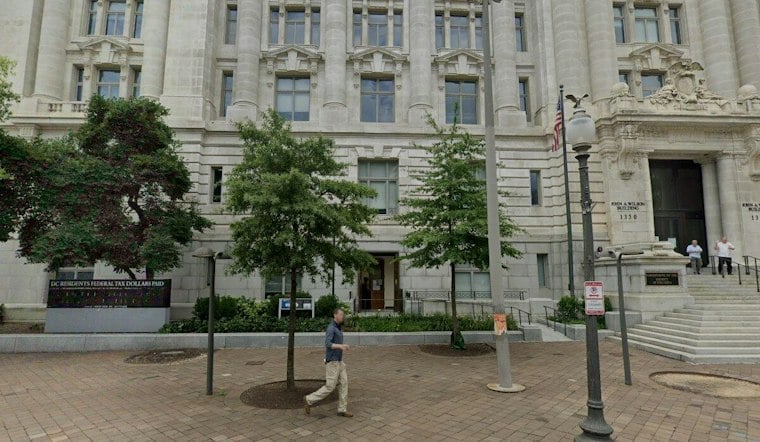
A coalition of ticket resale companies filed a federal lawsuit Wednesday, October 14, 2026, against the District of Columbia, trying to stop a new law that would cap how much they can charge for concert, theater and comedy tickets before it takes effect on January 1. The RESALE Act would generally limit resale prices to 10% above the original purchase price and cap marketplace service fees at 10% of a ticket's initial cost.
The plaintiffs — Ticket Policy Forum, SeatGeek, Vivid Seats, Gametime and TickPick — are asking a judge to find the law unconstitutional and block the District from enforcing it, according to Bloomberg Law. The case, Ticket Policy Forum v. District of Columbia, was filed in the U.S. District Court for the District of Columbia under case number 1:26-cv-03577. As WUSA9 reported, the resellers argue the District overstepped its authority in writing the measure.
What the RESALE Act Would Actually Require
Beyond the headline price cap, the law would require secondary ticket marketplaces to publish tickets' original purchase prices, mandate upfront disclosure of additional charges, and prohibit speculative ticket sales — meaning listings for tickets a seller doesn't actually possess yet. The restrictions notably would not apply to covered sporting events or movie screenings, according to TicketNews.
The RESALE Act became law on September 25 as D.C. Law 26-181, the outlet reported, following the D.C. Council's final approval vote in July, per the Council of the District of Columbia. The bill was originally introduced in April 2025 by Councilmember Charles Allen and co-sponsored by several Council members, with the initial draft also centered on capping resale prices at face value plus 10%, TicketNews noted in earlier coverage of the legislation's evolution.
Resellers Say the Law Reaches Too Far
The lawsuit alleges the RESALE Act violates the First, Fourth and Fifth Amendments, as well as the Commerce Clause, the Supremacy Clause and the D.C. Home Rule Act, per Bloomberg Law's review of the filing. Central to the complaint is a jurisdictional argument: the plaintiffs contend the District is trying to regulate ticket sales that happen outside D.C. entirely, and would force platforms to disclose information they may not even have access to, according to WTOP.
The resellers are asking a judge to put the law on hold while the lawsuit moves forward, the station reported. Ticket Policy Forum executive director Brian Berry argued the law unfairly targets secondary marketplaces competing with Ticketmaster, which is not covered by the measure, WTOP reported.
The Price Cap's Original-Cost Basis
Most coverage describes the resale price limit as 10% above the original ticket price. Digital Music News also described the resale caps as tied to the original ticket cost.
Venue operator I.M.P. and District officials have defended the law as consumer protection, pointing to the scale of markup in the resale market. I.M.P. tracked $13.9 million in advertised resale listings covering more than 111,000 tickets for its venues in September alone, with 92% of those listings priced above face value, according to TicketNews. That figure underscores why supporters of the RESALE Act pushed for price caps in the first place, even as the companies that run the resale marketplaces argue the rules themselves are unconstitutional and improperly one-sided.





