

























































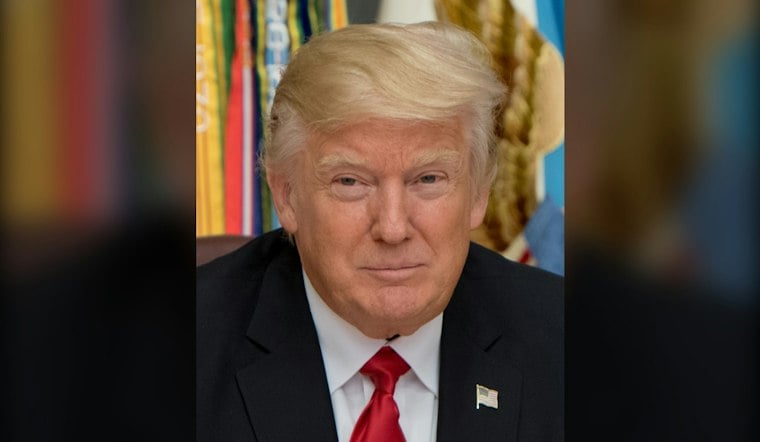
A Russian glide bomb strike on Zaporizhzhia early Saturday killed seven people, including children, and wounded at least 10 others, according to Mykhailo Semikin, head of the regional military administration — landing just hours after President Donald Trump announced a deal to buy Russian diesel fuel in a move Kyiv says will help bankroll Moscow's war.
Diesel Waiver Follows Hours-Long Call With Putin
The U.S. Treasury Department's Office of Foreign Assets Control issued General License 135 on Friday, October 9, 2026, authorizing the sale, delivery, offloading, and importation of Russian-origin diesel fuel through April 7, 2027, according to International Trade Today. The waiver emerged from an hour-and-a-half phone call between Trump and Russian President Vladimir Putin. Trump had been expected to discuss a suspected plague case in Russia. Putin confirmed Moscow's readiness to supply petroleum products to U.S. and global markets, according to Kremlin readouts cited by Al Jazeera.
Trump's announcement, as reported by the Associated Press, lays out a staged timeline: Russia is to supply more than 300,000 tons of diesel immediately, an additional 500,000 tons in November, 1 million tons shortly after that, and a further 3 million tons within a short period beyond that. The scale of the commitment comes despite Russia having maintained an official domestic ban on diesel exports since July, after Ukrainian drone strikes cut Russian diesel production by roughly 30% and triggered fuel queues in several Russian cities, according to OPB.
A Reversal From a Sanctions Law Trump Signed Weeks Ago
The waiver lands less than a month after Trump signed the Lindsey O. Graham Sanctioning Russia and Iran Act of 2026 into law on September 18, legislation that passed the Senate 86-11 and the House 262-159 and directs the administration to target the top five importers of Russian oil or natural gas with secondary tariffs of up to 100%, subject to an exception, according to the law's own record at The White House. The AP notes Trump had signed that same sweeping sanctions law aimed at clamping down on the oil and gas revenues funding Russia's war against Ukraine. The reversal arrives as global diesel futures fell roughly 4% after the deal was announced but remained more than 110% higher than at the start of 2026, while U.S. retail diesel prices sat above $6 a gallon weeks before the 2026 midterm elections, per Radio Free Europe.
Senate Democratic Leader Chuck Schumer, Senate Foreign Relations Ranking Member Jeanne Shaheen, and Senate Banking Ranking Member Elizabeth Warren issued a joint statement calling the diesel deal a total betrayal of Ukraine that undermines Congress's statutory mandate to restrict Russian energy revenues, according to the U.S. Senate Committee on Foreign Relations.
Zelenskyy: Deal Rewards Russia With More War
Ukrainian President Volodymyr Zelenskyy said Russia would repay the diesel deal with further terror and perfidy, characterizing it as an investment in prolonging the war, per the AP report. He said the arrangement would allow Russia to kill more, wage war longer, show less respect for America, and inflict greater losses and damage on the world, and the Ukrainian embassy in Washington released a statement conveying his criticism. Zelenskyy called it a weak decision by strong partners.
The Ukrainian leader's frustration followed Miami peace talks involving U.S. envoys Steve Witkoff and Jared Kushner and Ukrainian officials, which concluded Friday, October 9, without a breakthrough. The talks followed diplomatic trips by Witkoff and Kushner to Moscow and Kyiv in September. Zelenskyy said he believed the U.S. team was being used as a smokescreen and described it as unfair treatment between partners, according to the AP.
Deadly Strike Hits Apartment Building in Zaporizhzhia
The attack on Zaporizhzhia struck at 4:48 a.m. Saturday, with guided aerial glide bombs hitting a five-story apartment building and several nearby sites simultaneously, according to Ukrinform. Russian aerial bombs hit residential buildings in the city, killing at least seven people and wounding at least 10, two of them critically, per officials cited by the AP. Children were among the dead, Semikin said.
Russia and Ukraine remain locked in a long-range aerial war even as their armies stay largely deadlocked on the front line, more than four and a half years into Moscow's full-scale invasion, the AP reports.
Trump Presses Zelenskyy to Halt Refinery Strikes
Trump has publicly called on Zelenskyy to stop long-range drone strikes on Russian oil refineries to ease global fuel shortages, even as Ukrainian forces have targeted Russian refineries, according to The Washington Post. That tension underscores the open question of whether Russia, whose diesel output has fallen roughly 30% after Ukrainian drone strikes, can actually deliver the diesel volumes Trump has promised — and what that uncertainty means for the stalled peace process.





