

























































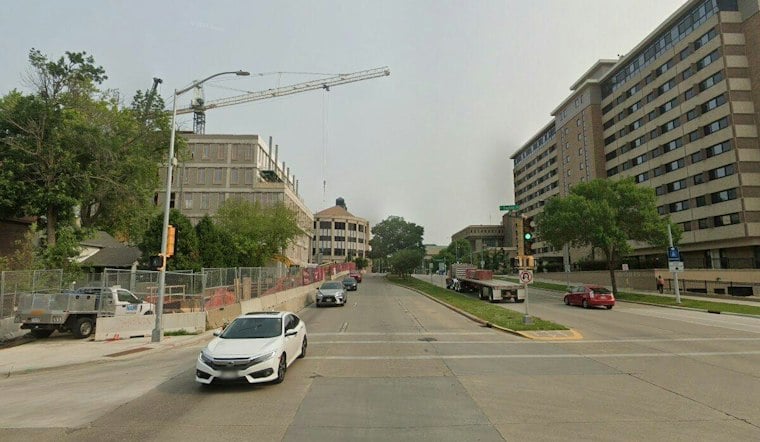
Wisconsin's State Building Commission gave the green light Thursday to a nearly $338 million plan to build two new residence halls and a 400-seat dining hall at UW-Madison, adding nearly 1,700 student beds to a campus housing system that's badly overstuffed. The project still needs one more sign-off before shovels can hit the ground, but it marks the biggest step yet toward easing a squeeze that has forced the university to wedge more than 1,100 extra students into dorm rooms and lounges never meant to be bedrooms.
A Record Class Meets a Housing Ceiling
According to news.wisc.edu, University Housing is currently operating at about 115% of its designed capacity. The crunch comes as UW-Madison welcomed 3,920 Wisconsin residents in its fall 2026 first-year class, the largest in university history, with more than 93% of incoming first-year students opting to live on campus. As WKOW reported, the university has already added beds to existing rooms and converted common areas to accommodate those extra students.
That improvising has come at a cost elsewhere on campus. The same squeeze has led to roughly 1,000 fewer housing offers for returning, transfer and exchange students, per the university's own accounting. Craig Thompson, UW-Madison's vice chancellor for university relations, said the school is using every available means to house a record number of students from Wisconsin.
Two New Buildings, One Replacing Merit Hall
The approved project includes two residence halls. One would replace the existing Merit Hall near Park and West Dayton streets and would house the new 400-seat dining facility, while the second would rise on a university parking lot at North Mills and West Dayton streets. UW-Madison would continue to manage and operate both residence halls and the dining facility once they're built.
Pending approvals, construction is expected to begin in summer 2027, with the university expecting to open both buildings in fall 2029. The project is structured as a public-private partnership, and the university says it would be financed through University Housing revenues — not tuition dollars or taxpayer money.
Faster and Cheaper Than the Usual State Process
Officials say the partnership model could deliver the housing about two years sooner than the traditional state budget process would allow, saving an estimated $55 million along the way. The new buildings would also let study and social spaces currently being used as makeshift housing return to their original purposes, according to the university's announcement.
The plan isn't finished yet. The proposal now moves to the Legislature's Joint Committee on Finance for final review before construction can proceed.
A Tight Market Beyond Campus Walls
The pressure on campus housing mirrors a tightening off-campus market. A 2024 study of student housing in Madison found off-campus rentals had an average 98% occupancy rate, according to the Cap Times. Rents haven't made things easier: the Daily Cardinal reports that median monthly rent in Madison climbed from $939 in 2015 to $1,364 in 2025, with renter housing costs overall rising 41% between 2015 and 2023.
Fraternity and sorority housing offers only a partial release valve — just 25 fraternities and 18 sororities actively offer housing, accommodating roughly 1,500 students, the same Daily Cardinal reporting found. Separately, UW-Madison and the Associated Students of Madison are piloting a smaller fix: a “lease-gap” program meant to provide free or low-cost short-term housing for students stuck between leases, expected to serve around 10 to 15 students, though the outlet notes the program's application process, eligibility rules and cost have not yet been finalized.


