

























































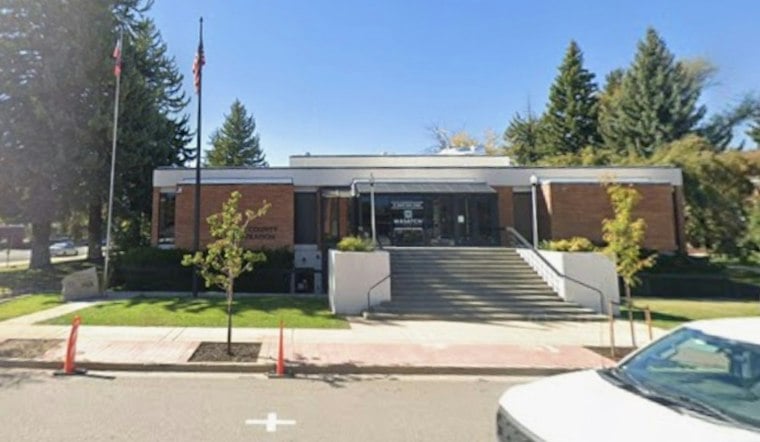
Wasatch County councilmembers voted down a development agreement for 144 homes on state trust land east of Heber City in mid-August, and within days, the governor’s top housing adviser was warning that the county’s state funding was now at risk. Weeks of tense meetings followed, but county officials say the money is safe — even as a broader fight over who controls local growth decisions grinds on.
A Warning Over Road Money
The clash started after the Wasatch County Council rejected a legislative development agreement for the 144-unit project at an Aug. 12 meeting, according to KPCW. Six days later, Steve Waldrip, Gov. Spencer Cox’s senior adviser for housing strategy, told officials that “your funding as a county is now at risk,” according to Utah News Dispatch. Waldrip said the county’s roughly $2.1 million a year in state B and C road funding — and other state money — could be suspended for counties that openly opposed the state on growth issues, telling officials “that funding is now suspended,” per the same outlet.
Wasatch County Manager Dustin Grabau said the council turned down the project because it was a private gated community that clashed with the county’s general plan and community values, as he told Utah News Dispatch. The Salt Lake Tribune reports the development would have sat on land managed by the Utah Trust Lands Administration, formerly known as the School and Institutional Trust Lands Administration.
Density, Water and a Unanimous No
Councilmembers also balked at the proposed density for the site, unanimously agreeing the legislative development agreement with Philo Development should not move forward in its current form, according to the Park Record. Water availability was described as a major issue for the council in weighing the project, the newspaper reported. Developers have reportedly spent years working on plans covering roughly 4,000 acres east of Red Ledges, the same reporting from KPCW notes, and the county has twice before used similar legislative development agreements — for the 75-foot SkyRidge community lodge and the Church of Jesus Christ of Latter-day Saints Heber Valley Temple.
County and State Sit Down
Wasatch County Council Chair Erik Rowland and Grabau met with Waldrip and other members of the governor’s team in late August, and the county later said state officials acknowledged their initial approach wasn’t constructive. Officials confirmed there would be no negative impacts to state funding in Wasatch County, according to Utah News Dispatch. Grabau said state officials had expressed regret about some of their approach, and he and Waldrip both acknowledged there had been miscommunication along the way, the Tribune reports.
Grabau pushed back on the idea that the funding threat and the county’s opposition to a separate state growth law were connected, telling the Park Record “the two issues are not related.” Still, Waldrip had told the Heber City Council that Gov. Cox read reports about the trust-land vote and the county’s concerns over the law as Wasatch County essentially declaring war on the state over growth issues, per the Tribune’s reporting.
The Fight Over SB258
At the center of that separate dispute is Senate Bill 258, a 2024 Utah law that lets qualifying landowners seek preliminary-municipality status through a process overseen by the lieutenant governor’s office. According to the Utah Legislature, the bill sets out requirements and procedures for transitioning a preliminary municipality into a full town, including the eventual election of officers. Wasatch County argues the law undermines local control by letting developers shape new communities without the immediate voter approval typically required to incorporate, per the Tribune.
The Wasatch County Council unanimously approved a resolution calling for the law’s repeal, the Park Record reported. Grabau said state Sen. Keven Stratton, an Orem Republican whose district includes part of western Wasatch County, encouraged the county to pass opposition resolutions to help push changes to the bill, according to the Tribune. Grabau called proposed revisions to SB258 an improvement but said they don’t go far enough, and the county intends to keep pushing for repeal.
Summit County joined the opposition at a joint meeting on Aug. 12, with leaders from both counties saying they planned to ask lawmakers to repeal the law, per KPCW. Summit County Manager Shayne Scott said the two counties aren’t alone — other Utah local governments share concerns about the preliminary-municipality tool, the station reported. The Wasatch Back saw four preliminary-municipality applications in 2026, and two in Wasatch County were accepted, according to the same KPCW report.
What Happens to the Trust Land Now
County officials have since met with Trust Lands Administration staff about the property, and county and state representatives have discussed other options for the site, including affordable housing. Wasatch County remains open to alternative arrangements, including what Grabau described as potentially a land swap to build more affordable housing, per Utah News Dispatch.
Grabau said Wasatch County isn’t opposed to growth but needs the ability to reject developments that don’t make sense for the community, and he urged state officials to better understand local concerns before reacting and putting local governments on what he called “heavy defense.” He added that lawmakers sometimes hear complaints from just a few constituents and draft legislation without getting the full picture, telling the Tribune that people often look for simple solutions to intricate problems while local governments are left navigating complex issues.
A Broader Debate About Growth
Waldrip, who also leads the Division of Housing and Community Development, framed the standoff as part of a larger conversation. He described the state’s existing approach to growth debates as too often “selfish,” focused narrowly on traffic, crime or other individual harms, according to the Tribune. He argued Utah needs to weigh growth with more attention to whether residents’ children and grandchildren will be able to afford to stay in the state, saying the conversation should shift from risk-focused opposition toward preparing for the future.
Waldrip said he appreciated partners in Wasatch County and statewide working to build more housing and make homeownership more attainable, adding that disagreements are part of the process but that he was grateful to be moving forward in partnership with the county toward a solution. He said the parties had gotten pulled into battles that shouldn’t have been the real discussion in the first place.
The Division of Housing and Community Development did not respond to the Tribune’s questions for several weeks before eventually issuing an emailed statement, and the paper noted it had received multiple emails from residents frustrated by the funding threat and demanding answers. For now, Wasatch County says its state funding is secure, even as it keeps pressing lawmakers to repeal the law at the heart of its fight for local control.





