

























































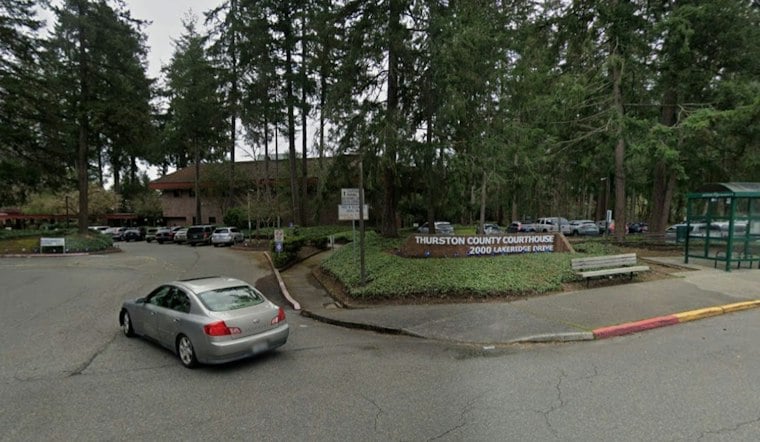
A Thurston County Superior Court judge has permanently blocked the sheriff eligibility provisions of Senate Bill 5974. Judge Christine Schaller’s ruling leaves those requirements unenforced while Washington prepares an appeal, and a written order explaining the decision is expected later this month, according to the Washington State Standard. The ruling does not appear to affect parts of the law concerning police chief standards and law enforcement volunteers, the outlet reported.
The standards at issue
SB 5974 would have required sheriffs to meet eligibility rules similar to those for appointed police chiefs: at least five years of law enforcement experience, a minimum age of 25, no felony or gross misdemeanor convictions, and no record of conduct that could lead to loss of peace-officer certification. The law also called for background checks. Sheriffs who were not certified when taking office would have had nine months to obtain certification, rather than the year allowed under existing law. Failure to qualify or loss of certification could lead to removal, with county officials appointing a replacement, according to the Washington State Standard and The News Tribune.
How the case reached a permanent block
Schaller first temporarily blocked much of the law on April 29, 2026, before it took effect. When the state sought to lift that order, a Washington Supreme Court commissioner declined, leaving the temporary block in place. As a result, sheriff elections proceeded without the new eligibility rules, The News Tribune reported. The initial lawsuit included Spokane County Sheriff John Nowels, Pend Oreille County Sheriff Glenn Blakeslee, Stevens County Sheriff Brad Manke and Ferry County Sheriff Ray Maycumber. The Washington State Sheriffs’ Association filed a separate, similar suit, according to the Washington State Standard.
Certification proceedings are a separate process
The Washington State Criminal Justice Training Commission handles peace-officer certification cases. The process can involve a complaint, investigation and statement of charges, followed by a hearing if one is requested. A five-member panel makes the commission’s final decision, which affected parties can appeal, according to The News Tribune and the commission.
The law’s supporters said the standards would promote trust in law enforcement. Opponents, including sheriffs who challenged it, argued that the state should not be able to remove elected officials through certification rules, the Washington State Standard reported. The state’s appeal will continue that legal dispute; the forthcoming written order is expected to set out Schaller’s reasoning.



