

























































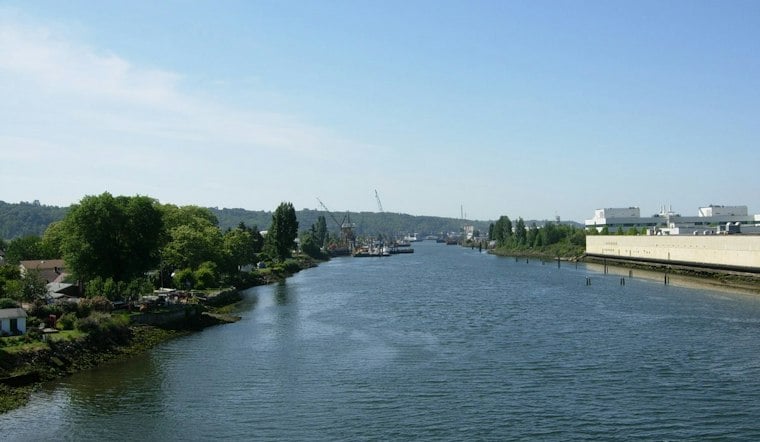
A 700-pound California sea lion washed ashore dead near the mouth of the Duwamish River in West Seattle, its body riddled with what biologists describe as multiple apparent gunshot wounds. FOX 13 Seattle reported that the animal was found dead.
The scale of the violence against the healthy adult male stunned responders. According to MyNorthwest, marine mammal response organization SR3 found at least a dozen projectiles in the animal but could not determine the exact number. The count was the highest number of projectiles its executive director had ever documented in a single animal. The carcass was too large to fit on a standard X-ray plate; a full necropsy was not done because disposal was expensive and moving the large body was difficult, so SR3 conducted field radiographs on portions of the sea lion instead.
The response began with the Seal Sitters Marine Mammal Stranding Network, a volunteer group that responds to stranded animals, which was first on scene near Harbor Island before SR3 was brought in with mobile X-ray equipment to examine the animal from head to abdomen, per KING 5. It remains unconfirmed who fired the shots or why.
Federal Protections Carry Steep Penalties
California sea lions are federally protected under the Marine Mammal Protection Act, according to the National Oceanic and Atmospheric Administration. Federal prosecutors have shown willingness to pursue such cases when evidence exists — in August, an 18-year-old man pleaded guilty in federal court to violating the same law after being recorded harassing and kicking a sea lion, facing up to a year in prison and a $100,000 fine, according to CBS News.
National Geographic has reported up to 700 wounded sea lions and only a handful of charges.
A Recurring Pattern in Puget Sound Waterways
In the fall of 2018, NOAA Fisheries and local stranding networks investigated a surge in which at least 16 dead sea lions washed ashore in King and Kitsap counties, with at least eight confirmed shot — a rate six times higher than the region's typical seasonal average, as reported by KGW.
SR3 has rejected killing sea lions as a solution to salmon concerns.
Why Sea Lions Keep Returning to Urban Waters
The broader collision between sea lions and Seattle's working waterfront traces back to the Marine Mammal Protection Act's own success. Following the law's 1972 passage, the West Coast California sea lion population rebounded from under 90,000 in 1975 to nearly 260,000 by 2014, according to National Geographic, driving increased overlap between expanding sea lion populations and human maritime activity.
For now, the identity of whoever shot the West Seattle sea lion, and the motive behind it, remain unknown. Marine wildlife biologists continue to investigate the death, with the case joining a long, largely unresolved history of gunfire directed at protected sea lions in Seattle's industrial waterways.




