

























































Cleveland Ward 5 Councilman Richard A. Starr has collected 60 establishments that constituents have questioned over diluted liquor. He says he has no backing and no evidence behind the inquiry.
Calling the state is still a plan, not an open investigation. News 5 Cleveland reported that he intends to turn the names over to liquor agencies and keep working the question for months.
Sixty Names and a Social Post
As of Wednesday, Starr said the list stood at 60 establishments questioned by constituents. The suspicion he is carrying forward is that some places may be diluting liquor with water or a cheaper substance. Separately, he posted a social media question about whether bars serve the liquor they advertise. Starr said the post had received more than 60,000 views since he posted it on Nov. 9.
He is asking for more of the same. Anyone who suspects an establishment is diluting liquor, he said, should call his office or message him on social media. He plans to keep investigating over the next several months.
He has also tried to bound the politics. The inquiry, he said, is meant to protect consumers and establishments, not to attack business owners or eliminate nightlife. So far, that protection is a list of questions and his own statement that the list is not evidence.
What He Wants the State to Do
Starr said he plans to contact the Ohio Division of Liquor Control and the Ohio Investigative Unit about investigating the establishments. Once he turns the list over, he wants state agents to conduct more random site checks. That is the order he described: names first, then visits he would like to see.
He has described both as plans, not as steps already taken. Wanting a random check does not mean an agent has been assigned one.
The Division regulates about 28,000 liquor permit holder locations across Ohio. Sixty Cleveland establishments are a thin slice of that map, and Starr is asking agents to treat constituent suspicion as a reason for a random check.
Fifty Dollars Against a License
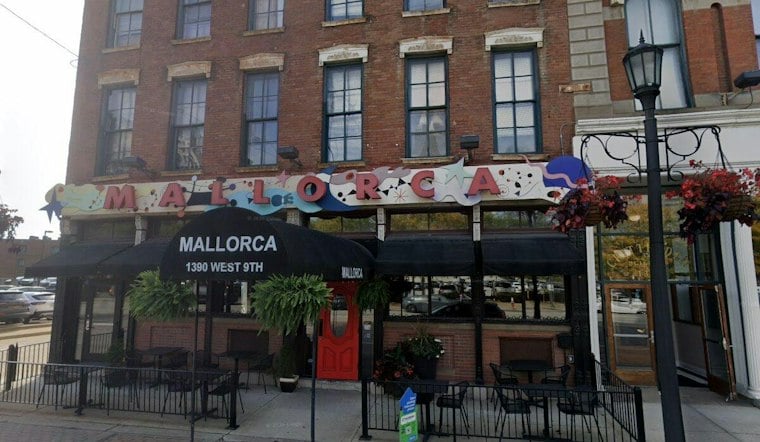
Laurie Torres, owner of Mallorca and president of Cleveland Independents, a restaurant and bar association, said she was disheartened by allegations that local establishments are cutting their liquor. She put the supposed payoff in plain numbers. "Your reputation has got to be more important than the extra $50 you might make over pouring water into a tequila bottle."
The cost she flagged is larger than one pour. Businesses that break liquor rules, she said, can lose their licenses. She was answering allegations. The News 5 account does not identify which establishments those allegations concern.
What the Bottle Rule Says
The published rule is narrower than a general complaint about a weak drink. Ohio Administrative Code 4301:1-1-47 says a retail permit holder authorized to sell alcohol for on-premises consumption, and that holder's agents or employees, shall not refill a manufacturer's bottle that formerly contained alcoholic beverages.
Reagan Reetz told News 5 that Ohio Revised Code section 4301.68 and the administrative rule prohibit refilling or diluting alcohol. Compliance agents inspect new permit applications, Reetz said, and the agency handles complaints for permits already issued. After complaints alleging refilling or dilution, the Division or the Ohio Investigative Unit may conduct an investigative site visit. News 5 reported that this kind of review can bring a correction notice, a citation or another administrative action.
A visit the agencies may make is not a visit Starr has obtained. He is still describing the phone call.
Complaints, Renewals and a Different Door
The state's directions do not send every unhappy customer to a council office. The Division's complaint page says it does not accept complaints about liquor permit holders. If the concern is a possible liquor-law violation, the same page tells people to report it through the options listed there. It declines one kind of complaint and, in the next sentence, points to another way in.
Council has a different tool, and it runs on the permit calendar rather than a social media thread. Cleveland liquor permits renew annually on Oct. 1, and local legislative bodies may object to a renewal during the renewal period. Under the published permit-objection process, a Division hearing officer conducts a hearing and prepares a summary for the superintendent, who decides whether to sustain or overrule the objection. A sustained objection produces a rejection order for the applicant. An overruled objection produces an overrule order for the objecting party. The permit holder or the legislative authority may appeal that order to the Ohio Liquor Control Commission.
Starr has not described filing one of those objections. He has described several more months of collecting names, a handoff he still plans to make, and an open line for calls and messages. The next step he is offering is simpler than a hearing: tell Ward 5, and he says he will carry it to the state.




