

























































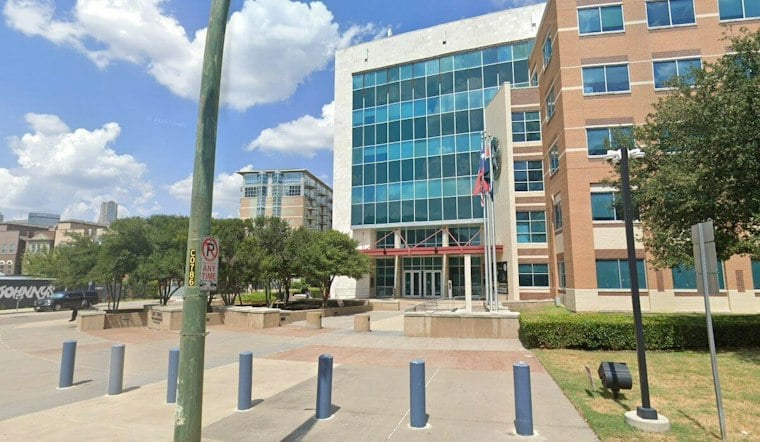
A Dallas police corporal with 49 commendations and nearly two decades on the force says she was pulled off frontline fugitive apprehensions not because of her performance, but because of her size. Cpl. Kimberly Howard and Officer Meredith Leftwich have sued the Dallas Police Department, alleging they were shuffled into “semi-operational” roles, barred from entry teams, and subjected to demeaning comments from male colleagues who questioned whether women belonged on high-risk warrant sweeps at all.
The lawsuit, filed Tuesday in the U.S. District Court for the Northern District of Texas, alleges the two officers were unexpectedly removed from entry teams and barred from taking leads in high-risk apprehension cases, according to the Dallas Observer. Male officers reportedly attributed Howard's reassignment to her “physical stature,” while another female officer in the unit was described as “too nice to pull the trigger,” the suit alleges. Howard has served in the fugitive unit and its predecessor since 2012, and Leftwich has served there since 2022 — the unit's officers are tasked with apprehending violent and high-risk suspects with outstanding warrants as part of DPD's tactical division, which also oversees SWAT and the K9 unit.
Five Women, Four Demotions
According to the filing, five women had previously worked in fully operational roles within the fugitive unit, and all four female line officers were placed on the semi-operational list in March 2025. The suit alleges neither Howard nor Leftwich was told of any performance deficiencies before that reassignment, even as their immediate supervisors were informed of the change. Semi-operational status allegedly kept the officers away from entry teams and relegated them to perimeter duties instead.
Fugitive unit commander Maj. Gerald Smalley approached the head of the department's Tactical Training Group in January 2025 with concerns about unit members, the lawsuit alleges, and a TTG commander later admitted under oath that a list sorting officers into operational, semi-operational and administrative categories was made at Smalley's direction. The suit alleges TTG officers never provided clear criteria for the semi-operational designations, instead citing female officers' size and stature as the reasoning. By contrast, the suit alleges a male officer who had previously failed to fire in a deadly-force situation remained fully operational. DPD's internal affairs division reportedly found that TTG had no set operating procedures at all, according to the filing.
“Are There Any Females in SWAT Right Now?”
The lawsuit includes a pointed allegation attributed to Smalley: “Are there any females in SWAT right now? Maybe there's a reason for that.” Leftwich's own supervisor, according to the filing, testified under oath that she was one of the strongest shooters in the unit — yet the suit alleges he also once showed a TTG officer a photo of Leftwich simply because he couldn't otherwise recognize her.
Other allegations in the filing describe a pattern of public humiliation. Leftwich says she was removed from a firing line during training and yelled at in front of other officers, while Howard's attorneys disputed assertions that she was removed from the fire line; the suit describes her losing her balance during a shooting drill while kneeling on gravel. A memo is alleged to have labeled Howard a safety concern.
Grievance Filed, Officers Reinstated
Howard and Leftwich filed a sex-discrimination grievance after the initial reassignment, and were later returned to operational status after Chief Daniel Comeaux found that the reasoning behind the move had not been sufficiently documented, the Observer reports. But the suit alleges department leadership declined to rule the reassignment discrimination or discipline the supervising officers, instead stating the plaintiffs remained subject to a change in status if necessary. The grievance, which should have been confidential, was allegedly discussed openly within the unit, and officers who filed it were called “problem females.” Howard, the suit claims, was separately accused of “playing the sexism card.”
Howard and Leftwich say they were humiliated after being downgraded, according to the filing. They are seeking a declaration that DPD violated equal protection standards and created a hostile work environment, along with damages for career harm and compensation for overtime lost while on the semi-operational list. Named as defendants are DPD, Tactical Training Group officers, and fugitive unit commander Maj. Smalley; the Tactical Training Group itself was formed in 2023 by then-Chief Eddie Garcia to set training standards, implement response tactics and refine the tactical division's officer-selection criteria.
Attorney JoDee Neil, who represents Howard and Leftwich, told the Observer she was proud of her clients and said the case mattered. A DPD spokesperson declined to address the allegations, citing department policy against commenting on pending litigation.
A Pattern Beyond One Unit
The lawsuit arrives alongside other allegations of how DPD has handled complaints from women in its ranks. The Observer reports that Sgt. Daylon Grandberry borrowed a female officer's phone and sent himself a nude video from a locked folder, and that Comeaux gave Grandberry a 15-day suspension while declining to pursue harsher penalties. The Dallas Police Women's Association criticized the department's handling of that case, saying the suspension amounted to a slap on the wrist for Grandberry and a slap in the face to female officers.
That frustration echoes broader survey data cited by the association. Of roughly 200 members surveyed, about 80 percent said they had experienced harassment, discrimination or different treatment at some point in their careers, and about 70 percent said they did not believe a future complaint would be investigated fairly, according to Governing. Women make up about 19 percent of DPD's sworn officers, according to that report.
Dallas isn't the only Texas department facing this kind of complaint. A 14-year San Antonio Police Department veteran, Officer Perla Dominguez, filed a federal lawsuit on October 30 alleging she was hazed and discriminated against after joining SAPD's SWAT unit in 2018, according to KSAT. That suit alleges she requested a transfer to the department's training academy in February 2022 due to harassment and hostility, a request the city granted; San Antonio has said it does not believe her claims have merit but will defend against the lawsuit. Nationally, the U.S. Supreme Court unanimously revived a similar case in 2024, siding with St. Louis police officer Jatonya Muldrow, who alleged a new supervisor transferred her out of an intelligence unit because he wanted a man in the role, according to The Guardian.




