

























































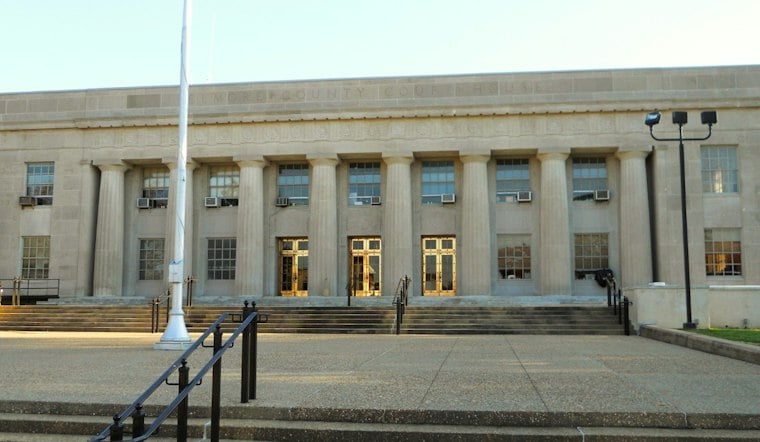
Bill Shaner, 81, was shot and killed by his son Thursday evening at a rural Elmore County property, and the younger man then drove to a casino before returning home the next morning and killing himself, according to investigators. Deputies found Shaner’s unfinished boats still sitting in the yard, a quiet marker of the hobby the retiree had used to get by.
A Night at the Casino, Then a Final Call to 911
Elmore County Sheriff Bill Franklin said his son went to a casino after shooting his father Thursday evening, then came back home the following morning and took his own life, according to WSFA. Deputies had responded to a residence on Tower Hill Road around 6:30 a.m. after a caller said he had killed his father and spoke about taking his own life, the station reported in an earlier account. That caller was identified as 27-year-old Lance Shaner, who was later found dead from an apparent gunshot wound.
Franklin said dispatchers did an excellent job trying to talk to Shaner’s son during that final call, but authorities believe he shot himself shortly after hanging up with 911. Investigators believe Bill Shaner had been shot at least twice, including in the side of his torso, and that the same firearm was used in both deaths, per the station’s earlier reporting.
Father Bled for Hours as Son Did Not Seek Help
According to Franklin, Shaner was shot in the side of the torso and bled out for what the sheriff described as quite some time, while his son never reached out for help. The sheriff said the father and son had been arguing back and forth in the days before the shooting about some things the son wanted and where he wanted to go.
Elmore County authorities are investigating the case as an apparent murder-suicide between a father and son. The circumstances that led to the shooting, beyond the recent arguments described by the sheriff, remain unclear.
Alabama’s Protection from Abuse Act covers parent-child relationships: its definition of a potential victim includes a parent or child, among other relatives. The law allows an eligible person to petition a court for a protection order. That legal framework is broader than violence between romantic partners, though it does not establish how investigators have classified the Shaners’ case. Alabama’s Protection from Abuse Act sets out those covered relationships and remedies.
A Broader Pattern of Domestic Violence Cases
Franklin noted that Elmore County makes 300 to 500 domestic violence arrests every year, a figure he offered while discussing the case. The sheriff did not provide additional detail on how that number was compiled or over what exact period it applies.
The sheriff’s estimate is not directly comparable to Alabama’s published county crime tables: the state lists domestic-violence offenses by category, while Franklin described arrests. The Alabama Law Enforcement Agency’s county tables currently extend through 2019, and the agency cautions that its crime figures are snapshots based on data voluntarily submitted by law-enforcement agencies, limiting direct comparisons across jurisdictions. The state’s crime-statistics page identifies the available years and explains those limits.
Anyone affected by domestic violence can reach the National Domestic Violence Hotline at 800-799-SAFE.
Elmore County is also part of a regional response system for domestic-violence cases. A 2026 state grant of $83,710 supports the 19th Circuit Domestic Violence Unit, which serves Autauga, Chilton and Elmore counties with victim information, referrals and court accompaniment, among other services. The unit’s work provides a local support resource alongside the national hotline listed above. The Alabama Department of Economic and Community Affairs describes the unit’s services.





