

























































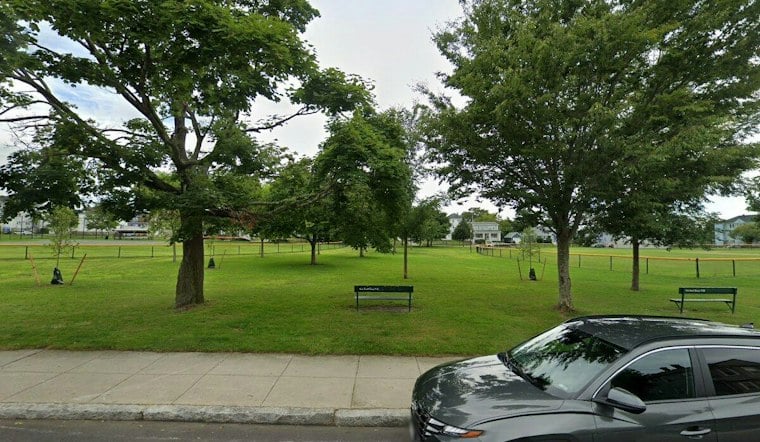
Fall River's City Council has approved spending to build Mae's Playground, a sensory-friendly play space planned for Abbott Court Park that supporters say will give children with autism, sensory processing differences and physical disabilities a place to play alongside their neurotypical peers. The council approved $1,010,000 on Tuesday, November 10, to fund construction, according to the project's seed facts. The project is expected to break ground in spring.
The push behind the project has been led for more than a year by Marcel Riley, a dad and maintenance technician who named the playground after his nonverbal autistic daughter, Mae-Ella, according to the Herald News. Riley called the moment a dream come true, per the same report. A separate account from fallriverreporter.com describes the planned project as costing $1.02 million, a figure that doesn't exactly match the council's approved $1,010,000 — the dossier does not reconcile the two numbers, so both are presented here as reported.
Construction will be funded through a mix of grants, private fundraising and local community preservation funds, per the seed reporting. Fall River's Community Development Agency was awarded a $425,000 Parkland Acquisitions and Renovations for Communities grant from the state, according to the fallriverreporter.com account. The city's Community Development Preservation Act Committee pledged another $200,000 toward the project, and $100,000 was secured from the CDA's Community Development Block Grant funds, the outlet reports.
What the Playground Will Include
Plans call for a roughly 15,000-square-foot space featuring sensory boards, mazes, swings, water tables, a regulation hub, a sensory dome and ground-level apparatuses, according to fallriverreporter.com's reporting. The project's own about page describes separate zones for different ages — gentle exploration areas for kids 2 to 5, more exciting adventures for ages 5 to 8, and engaging challenges for 8- to 12-year-olds, according to maesplayground.org.
The goal, per the same source, is a space where children with autism, sensory processing differences and physical disabilities can play safely and comfortably alongside neurotypical kids. The about page notes that roughly 1 in 36 children in the United States is diagnosed with autism spectrum disorder, about 2.8% of all children, and that an estimated 7.3 million school-age children nationwide, or 14%, have disabilities.
A Years-Long Campaign Finally Pays Off
The road to funding wasn't smooth. A report from WPRI says Riley had hoped the project would be fully funded through a requested $100,000 earmark in the Massachusetts state budget, but learned a few weeks before that report that the earmark had been cut to just $10,000. Riley told the station that he and supporters gathered 1,500 petition signatures before the city came around to support the proposal, recalling that “we came up with 1,500 signatures pretty quickly, and the city called … they were on board.”
A separate report from Yahoo News said Riley and Mae-Ella had crossed the million-dollar mark in fundraising efforts. Greater Fall River RE-CREATION says it has partnered with the project to help build the inclusive play space, according to gfrrec.org.
How It Compares to Other Inclusive Playgrounds
Mae's Playground joins a small but growing list of inclusive play spaces in the region. In Danvers, Northeast Arc's Learning Center playground includes a transfer point on its main slide and climbing structure so children using wheelchairs can access the equipment, along with a crawl tube and a series of sensory panels, according to ne-arc.org. Fall River's project, still months from breaking ground, is aiming for a similar blend of accessibility and sensory design on a larger, 15,000-square-foot scale.





