

























































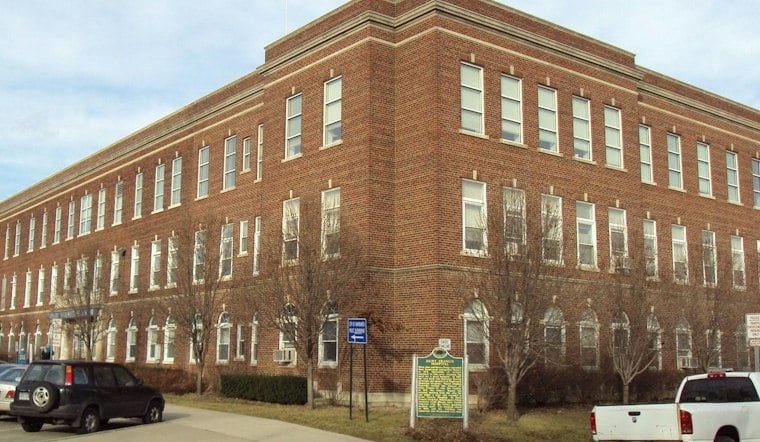
Hamtramck has a new mayor, and he is already raising alarms about what President Donald Trump's immigration crackdown is doing to his city. Muhith Mahmood, sworn in Sunday, says the climate of fear surrounding enforcement is hurting Hamtramck's ability to draw new residents and sustain the tax base that keeps the small Wayne County city running.
Mahmood's concern, first reported by the Detroit Free Press, centers on the idea that immigration enforcement is affecting not just individual families but the city's broader ability to attract residents and maintain tax revenue. Hamtramck has long been known as a landing spot for immigrant communities, and a mayor worrying publicly about that pipeline drying up signals just how much the issue has seeped into local governance.
The worry isn't limited to City Hall. A University of Michigan survey examined responses from more than 200 people born outside the United States living in Detroit, Grand Rapids, Flint, and Ypsilanti, according to Michigan Public. More than half of those respondents either knew someone who had avoided everyday activities out of fear of heightened enforcement, or had done so themselves, the same report found.
Businesses Feeling the Squeeze
That fear is translating into economic strain, according to the same report. Detroit City Councilmember Gabriela Santiago-Romero said local businesses were struggling because customers were scared to shop and employees were scared to show up for work, telling Michigan Public that “local businesses are struggling to stay afloat because people are afraid to patronize their shops or their employees are afraid to work.”
The pressure isn't confined to Detroit proper. WDET reported that small businesses anchoring neighborhoods in Southwest Detroit, Dearborn, and Hamtramck itself were under growing strain amid the enforcement push, noting that in those areas, “the small businesses that anchor entire neighborhoods are under growing pressure.”
A Pattern Showing Up in National Data
The strain being felt in Hamtramck echoes a broader pattern researchers have tracked elsewhere. A study by University of Pennsylvania professor Zeke Hernandez found that ICE activity and arrests in targeted metro areas were associated with a 2.9% drop in foot traffic and a 6.9% drop in consumer spending, as detailed by The Philadelphia Inquirer. Hernandez estimated those declines translated to 8.1 billion fewer visits to businesses and workplaces nationwide, and up to $14 billion in forgone spending during the first year of the Trump administration's second term.
Philadelphia itself, per the Inquirer's reporting on Hernandez's findings, saw an estimated 193 million fewer visits to stores and workplaces and roughly $811 million in lost sales. Other cities have reported even steeper drops: WDET's reporting found that nearly half of surveyed businesses in Los Angeles County lost more than half their revenue, while business sales in Chicago's Little Village neighborhood were estimated to have fallen 50% to 70%.
What It Means for Hamtramck
None of the national or regional figures are specific to Hamtramck, and the available reporting does not offer a measured count of how enforcement has changed the city's population, tax base, or business revenue. What is documented is Mahmood's public concern, now on record just days into his tenure as mayor, that the broader national trend of fear-driven avoidance could undercut the small city's ability to keep growing.
For a city whose identity and economy have long depended on welcoming newcomers, a mayor flagging that concern on his first days in office suggests the issue will remain near the top of Hamtramck's civic agenda for the foreseeable future.




