

























































Milwaukee officials are preparing to rewrite the city's zoning code for the first time in more than two decades, and residents will get their first look at the proposed changes Monday, Nov. 16. The Department of City Development says the update is the next step after the city adopted its Housing Element plan last year, and it marks the formal start of turning that policy document into actual zoning law.
The zoning code itself dates back to 1922 and was last substantially overhauled in the early 2000s, according to Urban Milwaukee, which reported that the Department of City Development has launched what it's calling the second phase of its Housing Element initiative, formerly branded Growing MKE. That initiative began in 2022 and is now moving from broad housing goals toward the technical work of changing what can legally be built where.
The department says the proposed zoning changes, set to be published Monday at engage.milwaukee.gov/housing-tune-up, will cover several areas at once: small-scale infill housing in existing neighborhoods, larger multi-unit and mixed-use buildings, building design standards, and technical fixes to zoning definitions and regulations. Officials have stressed that the changes would not alter the zoning classifications already assigned to individual properties, per the same report. Residents will be able to submit feedback on the proposals through that same online portal.
Three Sessions Planned for Next Week
The Department of City Development scheduled two community dinner-and-learn sessions and one drop-in office-hours session for next week, announcing the dates in a Friday email. The first meeting will be held at UMOS, Suite D, 2701 S. Chase Ave., on Nov. 17, running from 4:30 to 7 p.m. with a presentation from 5:30 to 6 p.m.
A second meeting follows two days later at the Washington Park Senior Center, 4420 W. Vliet St., on Nov. 19, with the same 4:30 to 7 p.m. window and 5:30 to 6 p.m. presentation. Both dinner sessions will include food, Spanish interpretation and translated materials, and residents are encouraged to register in advance so there's enough food for everyone who shows up.
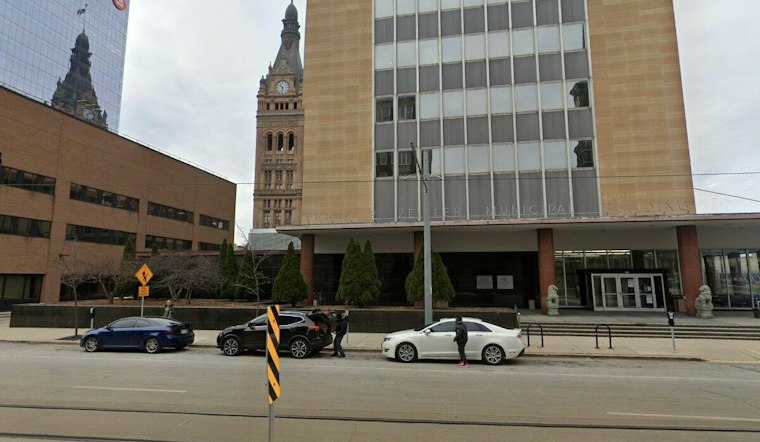
A separate drop-in office-hours session is planned for Nov. 20 in the first-floor conference room of the Zeidler Municipal Building, 841 N. Broadway, running from 1 to 5:30 p.m. for residents who want to ask questions without committing to a full presentation.
How the Housing Element Got Here
This zoning push traces back to the Housing Element, the renamed version of the Growing MKE plan that the Common Council adopted in July 2025. The plan aims to encourage housing development, expand housing choices and address rising housing costs, and it includes commitments to prevent displacement, support homeownership and repair existing housing. But as Urban Milwaukee's reporting makes clear, the Housing Element itself did not change most of Milwaukee's zoning code — it set recommendations, and it's now up to lawmakers to turn those ideas into enforceable rules.
The plan's path to adoption wasn't smooth. The original Growing MKE proposal had included allowing four-unit residential buildings in areas reserved for less intensive development, but that four-unit proposal was removed before the first public hearing in July 2024, and the Department of City Development later eliminated recommendations to legalize duplexes and three-unit buildings citywide. WPR reported that the scaled-back plan still recommends townhouses, cottage courts and accessory dwelling units for single-family districts, which cover 40 percent of Milwaukee's total footprint, even though it no longer calls for allowing duplexes and triplexes in those areas.
Ald. Robert Bauman expressed concern about allowing development without local alderperson and Common Council approval, a tension that ran through the plan's year-long public engagement process after an initial vote was delayed in July 2024. The Housing Element ultimately passed in a 12-2 vote with one abstention, with WPR noting that twelve of the city's 15 alders backed the final, revised plan. Ald. Jocasta Zamarripa said the plan would help address Milwaukee's housing crisis, while then-Mayor Cavalier Johnson, who signed the Housing Element into law on July 16, 2025, said the adopted plan represented the most progressive policy achievable and cautioned against letting the pursuit of perfection block good outcomes.
ADUs and the Road Ahead
Some pieces of the plan have already become law. The Common Council legalized accessory dwelling units in single-family-zoned areas in July 2025, voting to do so by a single vote, with the ordinance passing by a narrow 8-7 margin, according to the same WPR report. Separately, a zoning designation created in April 2025 permits residential buildings with up to eight units, though that designation has not actually been applied to any properties since its creation.
In September 2026, Common Council members endorsed legislation transferring $30,000 for zoning analysis, public engagement and technical assistance tied to the broader rewrite — money that appears to be funding the very meetings scheduled for next week. The Department of City Development has said the zoning code update is meant to help the city realize the housing vision laid out in the Housing Element, a plan that retained recommendations to encourage housing along transit corridors, permit more housing types, adjust minimum lot sizes and facilitate so-called missing-middle housing. Whether the proposed changes due out Monday deliver on those goals, or run into the same alder-by-alder resistance that reshaped the original plan, will likely become clearer once residents get a look at the specifics next week.




