

























































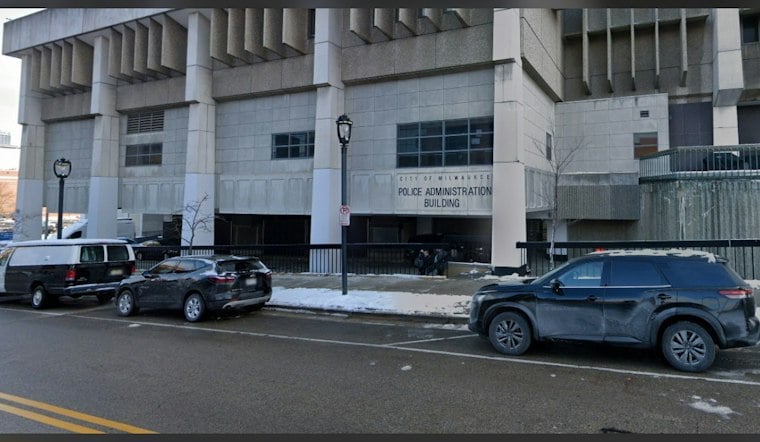
An investigation by the Milwaukee Journal Sentinel describes a 13-month series of attacks in Milwaukee that left six women dead and six others raped. The women included people who used drugs, had mental health issues or lacked stable housing; several fatal stabbings occurred within a few blocks. The investigation raises a central public-safety question: why was no warning issued while detectives considered whether the killings were connected?
The Milwaukee Journal Sentinel investigation by reporter Ashley Luthern identifies Eddie H. Williams, Levi K. Mitchell and Charles Doss in the crimes. The newspaper reports that the men used knives and hid evidence, including bodies, in vacant houses across the city. Police did not issue a public warning during the 13 months of violence, even as detectives considered whether a serial killer might be responsible.
A City Kept in the Dark
The investigation says residents, including the mayor, were not told about the killings or detectives’ consideration that they might be connected. No public alert followed. That left women in the vulnerable population targeted by the men without a warning about the danger.
What the homelessness count shows
Milwaukee County’s January 2024 point-in-time count found 61 people living on the street, 641 in emergency shelters and 183 in transitional housing, according to Urban Milwaukee. These countywide figures are a single snapshot, not a 2022–24 trend or a women-specific total, and they do not establish the housing circumstances of the women in this case.
The investigation also recounts how police once suspected Mitchell in a homicide for which Williams was later convicted. After Mitchell and Williams were in custody, it appeared the killings had stopped. But three more women were later found stabbed to death, the newspaper reports.
Delays at the Crime Lab and in Charging Decisions
The investigation describes delays that complicated the response. The State Crime Lab, run by the Wisconsin Department of Justice, took months to return DNA analysis, while Milwaukee County prosecutors declined or postponed filing charges in sexual assault cases tied to the spree.
Statewide data offer context about forensic workload, but do not establish what caused delays in these cases. A report from the MacIver Institute found Wisconsin crime lab caseloads rose from 9,297 cases in 2021 to 9,388 in 2023, with six of eleven tracked work categories showing slower mean turnaround times. DNA case volume increased from 3,612 to 4,439, while mean DNA turnaround improved slightly, to 108 days from 128 days. Separately, a state audit cited in the report found the median turnaround time for completing assignments rose 48.7 percent from fiscal year 2019–20 through fiscal year 2022–23.
A Mother's Grief and a Question That Lingers
The Journal Sentinel reports that Daphine Johnson was the last woman killed in the series. Her mother, Doris Daniel, criticized the decision not to warn the public, telling the newspaper she believes a warning would have helped her daughter and others survive.
Williams has since faced consequences in at least one related case outside this spree. In a separate Milwaukee proceeding reported by jsonline.com, Williams pleaded guilty to first-degree intentional homicide and two counts of first-degree sexual assault, and a judge sentenced him to life in prison with no chance of release. That report said Williams was linked by DNA evidence to the rape and murder of Holly Le Sac and to a separate assault in Brown Deer.
The investigation leaves a question about the public response: why did police and city officials not tell residents that detectives were considering a pattern of fatal stabbings while the killings continued?





