

























































Kyrie Kaspar is a 10-year-old student at Alston-Bailey Elementary School in Summerville who has made the honor roll and plays soccer. Nine years ago, none of that seemed guaranteed: before he turned one, Kyrie was diagnosed with an atypical teratoid/rhabdoid tumor, known as AT/RT, a brain cancer so rare that fewer than 100 children are diagnosed with it annually.
According to the Post and Courier, Kyrie was diagnosed with hydrocephalus, a buildup of cerebrospinal fluid that puts pressure on the brain, after his pediatrician sent him to MUSC Children's Health for testing. A separate profile from Head for the Cure says Kyrie was 6 months old when he was diagnosed with ATRT, which it describes as a rare, aggressive cancer that developed in his brain.
From a Drainage Procedure to a Devastating Scan
Per the Post and Courier's reporting, doctors first performed an endoscopic third ventriculostomy to create a drainage path for the cerebrospinal fluid building up around Kyrie's brain. A follow-up MRI then revealed a fast-growing tumor suspected to be highly malignant, the outlet reports. Neurosurgeon Libby Infinger was part of the medical team, and Kyrie underwent two surgeries to remove the tumor along with a shunt to remove excess spinal fluid, the same report notes.
Treatment did not stop there. The newspaper's account describes an intensive course that included chemotherapy, three autologous stem cell transplants, and proton therapy that Kyrie received through a clinical trial in Florida. The Head for the Cure profile adds that his mother, Kerstin, traveled with him to Florida for six weeks for part of that treatment.
A Mother Who Never Left His Side
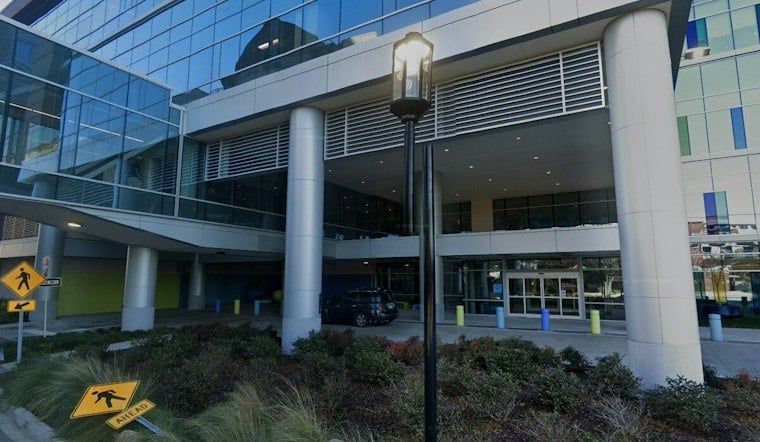
Kerstin Kaspar quit her job to stay with Kyrie in the hospital, according to the Post and Courier's account, and the Head for the Cure profile states she would not leave his side during hospitalization, even spending the night in his crib. She now works as a patient care technician at MUSC Shawn Jenkins Children's Hospital, the paper reports, where she also helps other families with seriously ill children.
Kerstin told the outlet that Kyrie has made the honor roll and plays soccer, a milestone she clearly treasures after everything the family endured. Per Kerstin's account to the paper, Kyrie had a clear scan in March, and he has now been cancer-free for nine years. He continues follow-up care at MUSC Children's Health, the same reporting states.
Why AT/RT Survival Has Historically Been So Rare
The rarity of Kyrie's recovery is tied to the disease's brutal history. The Post and Courier's reporting notes that around 2006, average survival after an AT/RT diagnosis was only around one year. Earlier clinical trials had event-free survival rates at two years of less than 10 percent, the paper reports, before a national Children's Oncology Group trial conducted from 2009 through 2013 improved four-year event-free survival to almost 40 percent.
A research paper hosted by PubMed Central similarly describes AT/RT as a highly lethal disease, reporting that across the studies it examined, 63 patients achieved a 24-month event-free survival rate of just 6.4 percent. The figures come from different trials and time points, so they are not a direct measure of any single patient's odds — but together they underscore how unusual an outcome like Kyrie's remains.
Proton Therapy's Role and MUSC's Expanding Reach
Proton therapy, the treatment Kyrie accessed through a Florida clinical trial, works by targeting tumors with precision. UF Health explains that proton beams can be better aimed at a tumor, which can mean less damage to surrounding healthy tissue compared to other radiation methods. The UF Health Proton Therapy Institute separately states that its primary mission is clinical research aimed at improving the therapy's effectiveness and availability, though its clinical-trials page notes that no central nervous system trials were open for enrollment at the time it was written.
MUSC Children's Hospital, now known as MUSC Shawn Jenkins Children's Hospital, is bringing proton therapy to its own patients in Charleston, according to the Post and Courier. The hospital is already the only pediatric stem cell transplant center in South Carolina, the paper reports, and its cancer care program has been ranked No. 1 in South Carolina and No. 9 nationally for clinical outcomes by U.S. News & World Report. For a family like the Kaspars, who once had to travel out of state for specialized treatment, that expansion could mean fewer families in Summerville and beyond face the same long road Kyrie did.





