

























































Updated: November 20, 2024
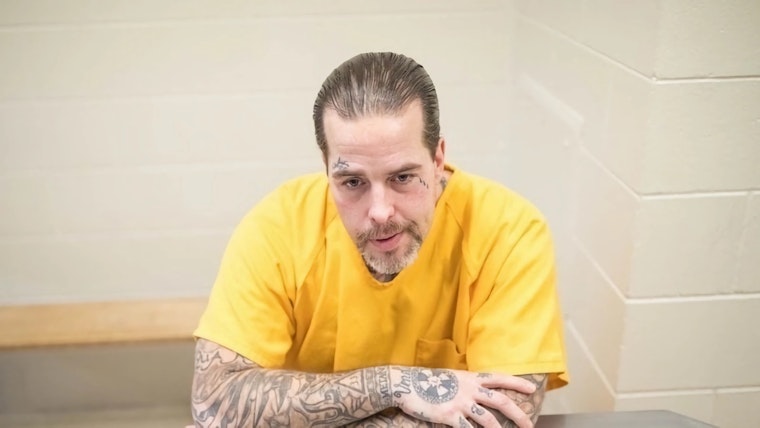
In a dramatic tale of vigilante justice and childhood trauma, Jason Vukovich, known as the "Alaskan Avenger," faced a legal setback after failing to include his diagnosis of PTSD as a mitigating factor for his attacks on registered sex offenders. According to Alaska News Source, the court reaffirmed his sentence, signaling that acts of vigilantism are intolerable in contemporary society. Vukovich's case, however, has ignited widespread debate and fascination across social media platforms, drawing new lines in discussions on justice, trauma, and the nuanced legacies of abuse.
Vukovich's descent into vigilantism stems from a deeply troubled past marked by severe abuse. Born to a single mother in Anchorage on June 25, 1975, Vukovich was adopted by his mother's husband, Larry Lee Fulton. Instead of providing a safe haven, Fulton subjected Vukovich to relentless sexual and physical abuse. As online publication All That's Interesting outlined, Fulton would exploit "prayer" sessions to molest him, allegedly planting the seeds of Vukovich's later turmoil. These dark chapters became central to Vukovich's transformation into a man consumed by a quest for his own brand of justice.
In 2016, Vukovich’s personal anguish boiled over into action. Utilizing the Alaska sex offender registry, he embarked on a spree of vigilantism, targeting registered sex offenders Charles Albee, Andres Barbosa, and Wesley Demarest. His encounters began with slapping Albee and threatening Barbosa with a hammer in a terrifying siege of their homes. However, as reported by The Mirror UK, it was during his assault on Demarest that Vukovich's rage fully manifested, resulting in a brutal hammer attack that left Demarest with a traumatic brain injury.
Despite being charged with 18 serious offenses, Vukovich managed a plea deal, admitting to attempted first-degree assault and first-degree robbery, leading to a 28-year sentence with provisions for suspended time and probation. Vukovich later expressed remorse in a public letter, urging other abuse victims to seek healing through therapy instead of vengeance, acknowledging the destructive path his choices had undertaken.
Outside the courtrooms, Vukovich’s story has sparked heated discussions, catapulting him into the sphere of social media sensation. Reddit, a bastion for user opinions, has been particularly vocal about Vukovich’s actions. The topic garnered widespread attention, including over 40,000 upvotes and approximately 2,000 comments. Many users voiced their thoughts on the case and broader implications of sex offender justice.
User 'jorgthorn' articulated a sentiment shared by many when commenting, "Give these Boondock Saints the Epstein's list, since nothing at all is being done," reflecting disillusionment with the handling of high-profile sex crime allegations.
Another user, 'swaziwarrior54' added, "People in prison will genuinely love this guy," alluding to the high rates of crime against sex offenders among incarcerated people.
Reddit user 'ThrowinSm0ke' acknowledged the wide range of offenses that can land somebody on the sex offender registry, stating, "In some states urinating in public requires you to be registered as a sex offender. I hope they did some due dilligence."
Vukovich's lawyer, Ember Tilton, illustrates the plight of former victims who transform into perpetrators as they grapple with the cyclical nature of violence embedded in their early experiences. Advocates for Vukovich's release emphasize the penal sector's deep-rooted issues, demanding reform over prolonged incarceration. According to Tilton, "He’s already been punished. This whole thing started as the punishment of a child who didn’t deserve to be treated this way." Tilton and many others argue for leniency and rehabilitation over further punishment to truly address the roots of repeated violence.
Vukovich himself has become a stark example of how mismanaged justice can fail all sides involved, from the vigilantism that obscures the law's boundaries to the ignored cries of a victim turned aggressor. As the discourse expands beyond the courtroom, it lays bare the societal obligations not merely to punish but to prevent the conditions that call for individuals like Jason Vukovich, who now implores for avenues of healing and self-love over cycles of retribution and despair.
Ultimately, the Alaskan Avenger’s story holds a mirror to a society wrestling with its understanding of justice, an understanding that is deeply challenged by the resonance of pain and the longing for resolutions that go beyond inflicting further harm. The dialogues sparked in cyberspaces, reminiscent of real scenes from a turbulent movie, continue to probe the question of what justice should mean in an era wrestling with its shadowed past and a fractured present.





