

























































In a move that has stirred up further controversy, the San Jose-Evergreen Community College District decided to delay the hiring of a non-Native instructor for Evergreen Valley College's first full-time Native American studies teaching position, following vocal protests from the community and nearly 600 signatures on an online petition, as reported by San José Spotlight. Indigenous students, faculty, and residents gathered to express their discontent at the hiring decision, which they argue perpetuates historical discrimination against Indigenous communities.
The ethnic studies department at Evergreen Valley College, whose purpose is to provide an understanding of the histories and issues facing various racial-ethnic groups, was not given a say in the final hiring decision according to the same San José Spotlight article. The protest comes amidst a nationwide discussion on the role that educators from marginalized communities should play in teaching subjects related to their experiences, like ethnic studies. In California, for instance, Governor Gavin Newsom signed AB 101, mandating all public high school students take a one-semester ethnic studies course as a graduation requirement, a requirement in the first of its kind bill.
The hiring process for this instructor followed the same procedure as any other full-time faculty position, according to a spokesperson for the community college district. However, in light of the protests and concerns surrounding the decision, the hiring process is currently under review, as reported by San José Spotlight. Maria Fuentes, vice president of the San Jose Evergreen Community College District board, noted that the board is listening to the students and residents, and is committed to finding a solution to this issue.
One student, Marcus Rodriguez, stressed the importance of hiring Indigenous educators for such courses, as their lived experiences with the traumas and daily struggles faced by Indigenous people provide invaluable insight for students per another San José Spotlight piece. Additionally, resident Ray Techicuauhtli Baeza argued that there are qualified Indigenous educators available for such positions, so the need for a non-Native instructor was unjustified. The importance of having educators with firsthand experience living in and understanding Indigenous communities cannot be understated, Baeza said to San José Spotlight.
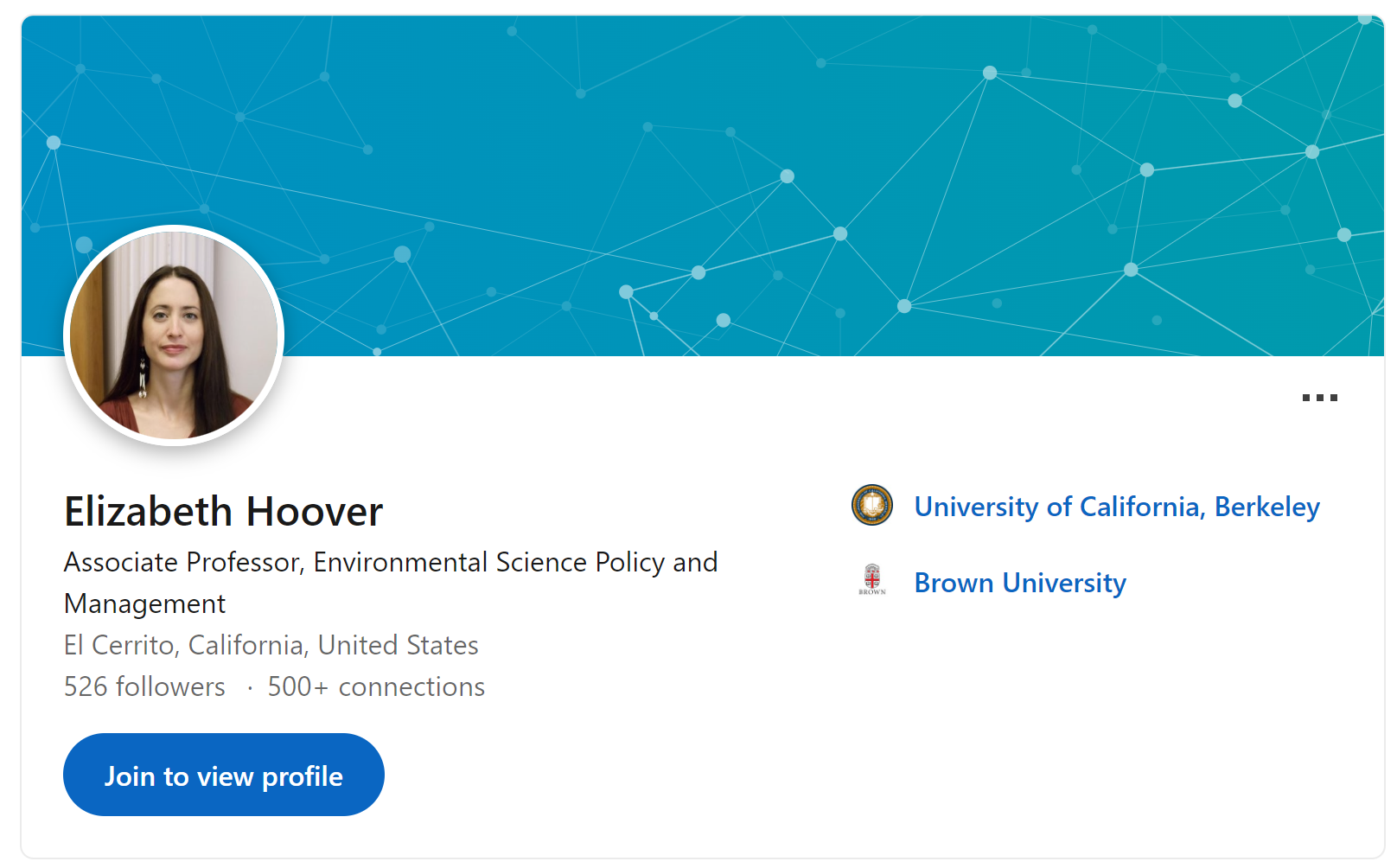
Although the controversy surrounding the hiring decision raises concerns about the representation of marginalized communities in education, this is not an isolated issue. A recent controversy involving UC Berkeley associate professor Elizabeth Hoover, who falsely claimed Native American ancestry throughout her career, as we reported in another HL piece, also demonstrates the complexities surrounding authentic Native identity within academia. Such incidents call for a reassessment of how higher educational institutions approach issues of personal identity and academic integrity.
Given the importance of ethnic studies in fostering understanding and addressing inequalities in California's increasingly diverse communities, it is essential to ensure that qualified educators with the necessary experiences and backgrounds lead these courses. In a separate article by San José Spotlight, educators discussed the need for additional training, rather than merely relying on credentials, to equip teachers to provide quality courses on diversity at the local level.
As ethnic studies programs continue to gain momentum, it is crucial for educational institutions to recognize and prioritize the voices and experiences of those from marginalized communities, and to create culturally responsive curriculums that reflect the nuances of the different racial-ethnic groups they aim to study. This ongoing debate serves as a reminder of the importance of continuously reassessing and adapting educational practices to ensure inclusivity and accurately represent the diverse communities they serve.





