

























































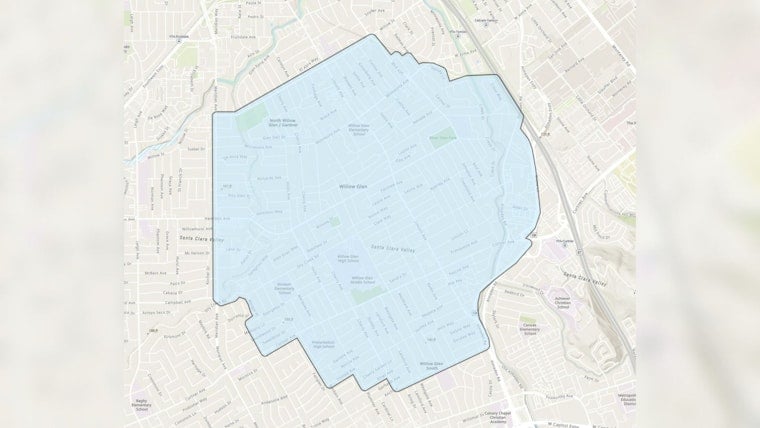
Today, the County of Santa Clara Vector Control District confirmed the presence of West Nile virus-positive mosquitoes in a small area of San José (ZIP code 95125) and has since announced a targeted adult-mosquito-control treatment scheduled for Thursday, Aug. 31 via the County of Santa Clara. This initiative comes in response to the increased risk of vector-borne illnesses during the summer and early fall, when warm weather allows mosquitoes to thrive and transmit diseases such as West Nile virus (WNV), St. Louis encephalitis, and western equine encephalitis.
The treatment will be conducted with truck-mounted equipment starting around 10 p.m., and aims to reduce the adult mosquito population in the affected area, thereby decreasing the risk of a WNV-human infection. Through this focused approach and proper application, the mosquito treatments are designed to pose minimal risk to people, pets, animals, and the environment.
Since 2003, California has seen over 7,000 people contract West Nile virus, with nearly 400 of those cases resulting in fatalities. While not everyone infected with the virus will exhibit symptoms, those who do may experience fever, headaches, and body aches, with more severe cases leading to significant neurological damage or even death. The elderly and individuals with certain chronic medical conditions, such as diabetes, high blood pressure, cancer, and kidney disease, are at an increased risk for serious complications.
The District's mosquito-management program primarily targets immature stages of mosquitoes found in standing water in an effort to prevent them from reaching the adult biting stage. However, upon detecting a mosquito carrying West Nile virus, the District conducts adult-mosquito-control treatments to ensure public health and safety. Truck-mounted treatments have been utilized by the District since 2003 to successfully reduce WNV-transmitting mosquito populations.
Public awareness and cooperation play a significant role in preventing the spread of West Nile virus. Residents can take preventive measures on their property by inspecting standing water weekly and draining or turning over any items that could collect water. Additionally, they can clean water-holding items like bird baths and pet bowls once a week and clear debris from rain gutters to ensure proper water flow.
To reduce the chances of contracting the West Nile virus during outdoor activities, residents are advised by the District to limit outdoor activities during dusk and dawn, wear long-sleeve shirts and long pants in light colors, and apply insect repellent containing DEET, IR3535, or oil of lemon eucalyptus.
The County of Santa Clara Vector Control District maintains a dedicated West Nile Virus Hotline and staff are available to answer questions from the public on the agency's West Nile virus initiatives. Along with the upcoming adult-mosquito-control treatment, the District strives to provide a comprehensive approach to prevent the transmission of West Nile virus and other vector-borne illnesses in the region.





