

























































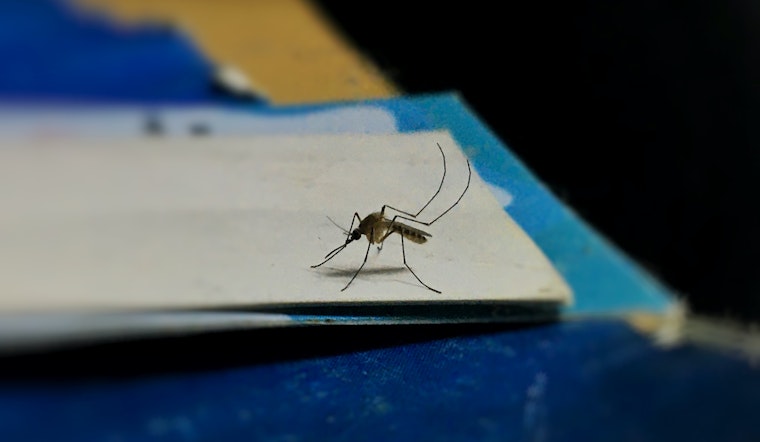
In Sunnyvale, California, residents are on alert as West Nile virus-positive mosquitoes have been detected in portions of the city (ZIP codes 94086 and 94087). As a response to this alarming development, the County of Santa Clara Vector Control District is scheduled to initiate targeted adult mosquito control treatment on Thursday, Aug. 17, using truck-mounted equipment to reduce mosquito populations and curb the spread of the virus.
ALERT! West Nile virus infected mosquitoes have been detected in a small portion of the county. A mosquito control treatment will take place in part of the 94086 and 94087 zip-codes on Thur. 8/17, at 10PM & last about 4 hours. More info at https://t.co/lGgJVVqBRI. pic.twitter.com/UkQAWYHxMM
— County of Santa Clara Vector Control District (@SCCVCD) August 15, 2023
West Nile virus (WNV) outbreaks are not uncommon during the summer and early fall months, as warmer weather provides optimal breeding conditions for mosquitoes. Historically, WNV has been responsible for numerous fatalities across California. In 2022, 15 human WNV-related deaths were reported, while 2015 marked a record year with 55 fatalities in the state, according to the County of Santa Clara Vector Control District.
To mitigate the risks associated with WNV, the District focuses primarily on preventing mosquitoes from reaching adulthood by targeting their immature stages in standing water. However, in cases like this where WNV-positive mosquitoes are identified, the District takes the added step of conducting adult mosquito control treatments. Delaying the application of these treatments could expose the public to increased health risks, including potential vector-borne injuries or even death.
Furthermore, the District operates a dedicated surveillance program to detect and monitor diseases transmitted by mosquitoes, such as West Nile virus, St. Louis encephalitis, and western equine encephalitis. The data collected through this program helps predict and identify locations with higher chances of mosquito-borne diseases, enabling targeted treatments to effectively address the issue.
Since 2003, the District has been using truck-mounted treatments to successfully reduce WNV-transmitting mosquito populations, as stated in their news release. For the upcoming treatment in Sunnyvale, residents in the affected ZIP codes will be notified via AlertSCC, email, and the Nextdoor platform. In addition, general notices will be published on various social media platforms, such as Facebook, Instagram, and Twitter, and sent to those subscribed to the District's mosquito treatment notifications.
As a precautionary measure, residents can keep their family members and pets indoors during the treatment, with windows and doors shut. However, mosquito treatments pose minimal risks to people, pets, and the environment when applied by a licensed vector control professional according to label instructions. The insecticides used during these treatments break down quickly when exposed to sunlight, and the ultra-low volume (ULV) application makes it unlikely for individuals to breathe or touch anything harmful.
In addition to the District's efforts, the public can help prevent the spread of West Nile virus by implementing various measures on their properties. By inspecting for standing water weekly, draining or overturning items that can hold water, cleaning areas like bird baths and pet bowls, clearing debris from rain gutters, and ensuring proper screens are installed on windows and doors, residents can significantly reduce mosquito breeding grounds.
During outdoor activities, individuals are advised to limit exposure during dusk and dawn, as these are the times when WNV-transmitting mosquitoes are most active. Wearing long-sleeve shirts and long pants in light colors, as well as applying insect repellent containing DEET, IR3535, or oil of lemon eucalyptus, can further minimize the risk of mosquito bites.
Residents can also contact the County of Santa Clara Vector Control District for free assistance with mosquito control or other vector-related issues, either through their West Nile Virus Hotline at (408) 282-3114 or by submitting an online service request.





