

























































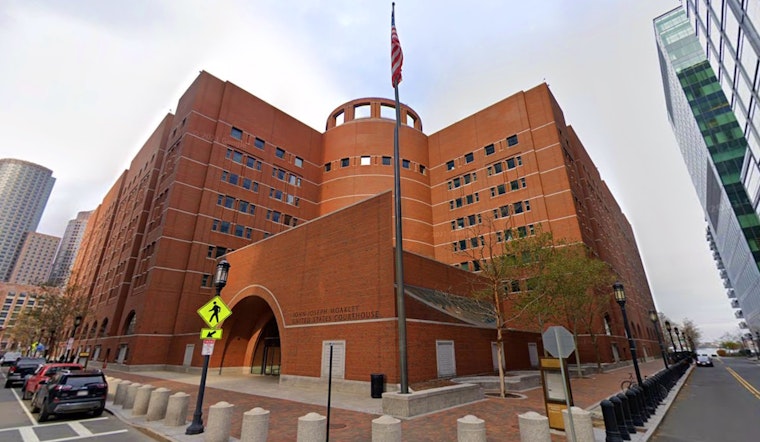
Yesterday, a 27-year old Brazilian man, Guilherme Pereira, pleaded guilty to one count of unlawful reentry of a deported alien in Boston. The case, as detailed by the United States Department of Justice, stemmed from Pereira's deportation in August 2018 following his conviction for indecent assault and battery, along with assault and battery with a dangerous weapon. He was arrested upon illegally returning to the country on January 30, 2020.
Unlawful reentry carries a sentence of up to two years in prison, one year of supervised release, and a fine of up to $250,000. It's important to acknowledge the context in which illegal reentry cases often unfold and the myriad motivations that drive individuals to make such difficult decisions to leave their home countries.
In 2020, the prosecution of illegal reentry cases became a controversial topic, with increased enforcement efforts by the Trump administration. A Transactional Records Access Clearinghouse (TRAC) report from that period revealed a sharp increase in the number of such cases, drawing criticism from immigration advocates who argued that resources should be focused on more significant public safety threats. Simultaneously, supporters of harsher immigration policies maintained that strict enforcement was essential for maintaining the country's law and order.
As we report on Pereira's case and the upcoming sentencing slated for January 9, 2024, it's vital to consider the ripple effect these cases have on families and communities, both within and outside the US borders.





