

























































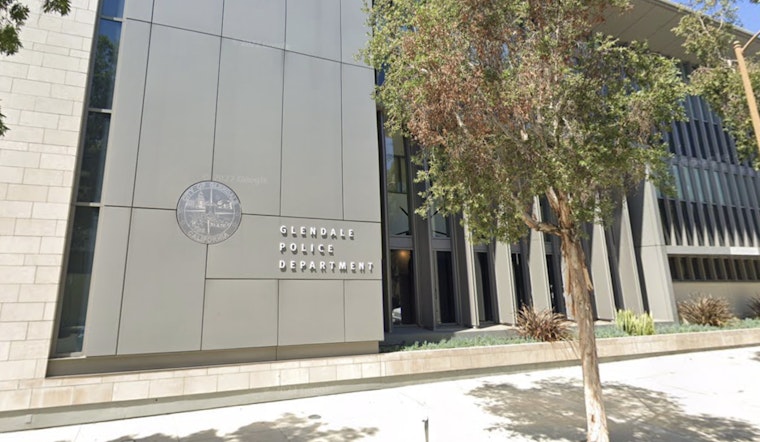
Yesterday, September 19, the Glendale Police Department announced that it will switch its radio communications from clear to encrypted operations as of October 2, 2023, in compliance with a mandate from the California Department of Justice (DOJ) revealed. Initiated in 2020, the mandate seeks to protect the privacy and identity of individuals whose sensitive, personally identifiable information (PII) is broadcast over police radio channels.
Before this shift, such information, including names, dates of births, addresses, and phone numbers related to victims, suspects, or witnesses, was transmitted openly and could be intercepted by anyone equipped with a basic commercial scanner or smartphone app. This posed a risk not only to the privacy of the individuals involved but also to the operational security of law enforcement, as their transmissions could be tracked by individuals with malicious intent, according to the Glendale Police Department.
Despite the security concerns, some may argue that encrypting police radio communications curtails the public's ability to hold law enforcement accountable and diminishes transparency. Glendale's Police Department addressed this issue, stating that they evaluated potential options to avoid encrypting radio communications, but no practical solutions were found. They assure the public that media and community members can still access crime information, calls for service logs, daily booking logs, and monthly crime statistics on their website as mentioned.
It is important to note that most independent police agencies in Los Angeles County have already transitioned to encryption or are in the process of doing so. Within Glendale, the Fire Department's radios will also be reprogrammed to ensure seamless communication between these vital agencies remarking in the Glendale press release.
As the widespread adoption of encrypted police radio communications continues, the broader implications remain complex. While it is generally understood that law enforcement agencies must take necessary measures to protect individual privacy and maintain operational security, striking a balance between these concerns and ensuring transparency is not without challenges. Encrypted radio transmissions are but one example of the ongoing conversation surrounding the balance of public privacy and the need for transparent policing.




