

























































Chicago is experiencing a surge in hate crimes, gripping the city and leaving many residents questioning the existing legal framework. To counter this trend, a new proposed ordinance aims to create an additional category of "hate incidents." These incidents – a potential precursor to hate crimes – reveal a complex picture of intolerance within the city, requiring deeper analysis.
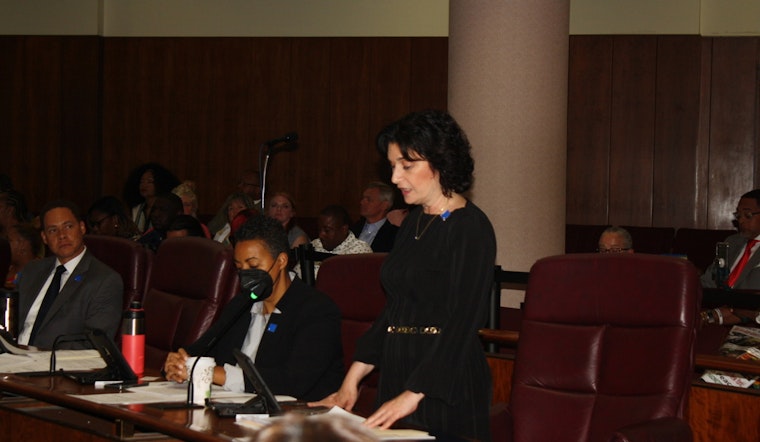
Ald. Debra Silverstein, the city council's only Jewish member, introduced the "Chi Vs. Hate" ordinance at last week's city council meeting, according to Fox 32 Chicago. The proposed ordinance, co-sponsored by 32 of her colleagues, seeks to create the category of "hate incident" and enable Chicagoans to report such incidents via the city's 311 non-emergency number or the 311 app, the Chicago Sun-Times reports.
While sharing details of the ordinance, Silverstein made it clear that hate incidents differ from mere arguments or disagreements, stating that they consist of hateful acts such as people giving the 'Sieg Heil' salute for Hitler, or individuals within the LGBTQ+ community having their flags stolen and burned. Silverstein emphasizes the pressing need to track the occurrence and scope of these incidents as she told Fox 32 Chicago.
The Anti-Defamation League has reported a 36% increase in antisemitic incidents across the country, while hate crimes against Asian Americans more than tripled during the pandemic, as mentioned in the Chicago Sun-Times. In Chicago, the unfolding migrant crisis has intensified the longstanding tensions between Black and Hispanic communities, reported by Fox 32 Chicago.
Approaching the issue at a deeper level, the ordinance defines a hate incident as a "non-criminal hostile expression or action that may be motivated by bias against another person's actual or perceived identity or status, including but not limited to actual or perceived race, color, sex, gender identity, age, religion, disability, national origin, ancestry or sexual orientation." It further outlines hate incidents as non-criminal acts of hateful graffiti, defamatory insults, derogatory gestures, bullying, identity- or status-based slurs, and the placement of offensive material in public view, according to the Chicago Sun-Times.
Silverstein believes that tracking hate incidents and monitoring their prevalence in specific locations may allow authorities to intervene before these incidents escalate into crimes, as she told Fox 32 Chicago.





