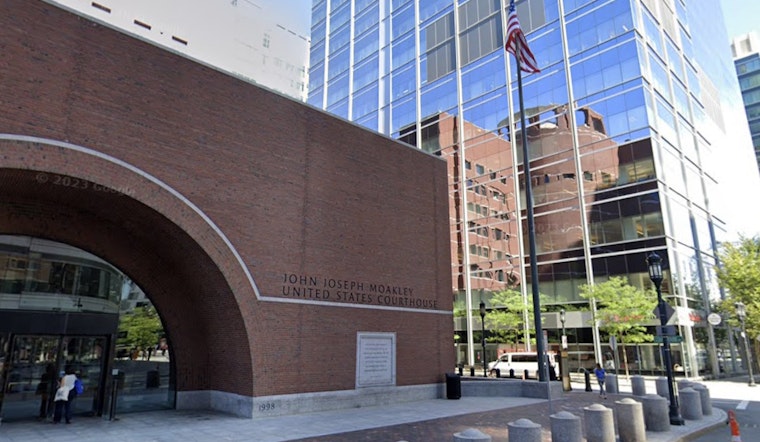
In a case related to tax evasion and cash payroll schemes, the owner of a Massachusetts-based construction company has agreed to plead guilty to evading more than $1.7 million in taxes. According to the U.S. Department of Justice, Christopher Pomavilla Minchala, owner of Rossy Construction Corporation, underreported income from his business and failed to pay over $670,000 in payroll taxes by running an unlawful cash payroll.
Pomavilla is currently facing one count of tax evasion and one count of failure to pay over taxes. From 2017 to 2021, he cashed customer checks without depositing the receipts in his business bank accounts, effectively hiding income from his tax preparer, according to the charging document.
As a result, he failed to pay more than $1.1 million in federal income taxes for the tax years 2017 to 2021. Furthermore, Pomavilla ran an unlawful cash payroll, paying employees in cash without reporting this information to the Internal Revenue Service (IRS), resulting in more than $670,000 in unpaid payroll taxes.
Acting United States Attorney Joshua S. Levy, alongside Harry Chavis, Jr., Special Agent in Charge of the Internal Revenue Service’s Criminal Investigations in Boston, announced the charges against Pomavilla. The Insurance Fraud Bureau of Massachusetts and the United States Department of Labor, Criminal Investigations Team, have provided valuable assistance in the matter. A plea hearing for Pomavilla has not yet been scheduled by the Court.
While Pomavilla's case is just one example, workers and innocent parties in the construction sector are often left with the short end of the stick in such schemes. With employees being paid under the table, receiving cash for their labor, it not only evades taxes but also denies them of the protection and benefits that come with legitimate employment, such as workers' compensation and Social Security benefits. Moreover, these practices create unfair competition for construction companies that abide by the law and pay their fair share of taxes.