Massachusetts is caught in a storm of unsustainable growth in healthcare costs, affecting both residents and businesses. A recent Health Policy Commission (HPC) report revealed staggering data on the escalating costs of employer-based private health insurance and its devastating impact on families, especially those with lower incomes and within certain racial and ethnic groups.
Follow the HPC Board Meeting, starting today at noon!
— MA Health Policy Commission (@Mass_HPC) September 13, 2023
Livestream: https://t.co/r0kpCox5On
Meeting materials: https://t.co/dFlDBprPym
According to the report, the average expense of employer-based private health insurance in 2021 reached $22,163, outpacing the growth in wages and salaries. When accounting for copayments, deductibles, and out-of-pocket spending, health care costs for Massachusetts families neared a staggering $25,000 annually. It is no wonder that the HPC is calling for urgent policy action to effectively contain cost growth, relieve financial burdens, and promote equity in access to care and health outcomes.
The HPC's findings painted a troubling picture of healthcare affordability, and further highlighted the persisting disparities across income and racial/ethnic groups. Nearly one in five lower-income residents faced high out-of-pocket spending, while significantly higher infant mortality rates and premature deaths from treatable causes were noted among Black and Hispanic residents compared to their counterparts.
On average, from 2019 to 2021, total healthcare spending increased by 3.2% per year, exceeding the 3.1% healthcare cost growth benchmark. The report particularly emphasized the rapid growth in commercial healthcare spending—5.8% per year—outpacing the national average and reversing prior years of relatively slower growth. Healthcare expenditures for prescription drugs and hospital outpatient care were found to be the driving forces behind this surge.
Alarmingly, the report detailed that the average price per prescription for branded drugs exceeded $1,000 in 2021, up from $684 in 2017. At the same time, the average commercial price for hospital outpatient services rose by 8.4% from 2019 to 2021.
The HPC estimates that eliminating excessive spending due to unreasonably high prices, overuse of high-cost sites of care, and overprovision of care could result in systemwide savings of nearly $3.5 billion annually. In response to these findings, the HPC unveiled nine policy recommendations aimed at improving oversight, accountability, affordability, and equity in the healthcare system.
Among the proposed recommendations were measures to modernize the Commonwealth's benchmark framework, constrain excessive provider prices, and enhance oversight of pharmaceutical spending. The HPC also urged policymakers to hold health plans accountable for affordability and to advance health equity for all by investing in affordable housing, improved food and transportation systems, and climate change mitigation efforts.
Furthermore, the report called on the Legislature to reduce administrative complexity, strengthen tools to monitor the provider market, support and invest in the Commonwealth's healthcare workforce, and bolster primary and behavioral healthcare. Detailed descriptions of each recommendation can be found in the report.
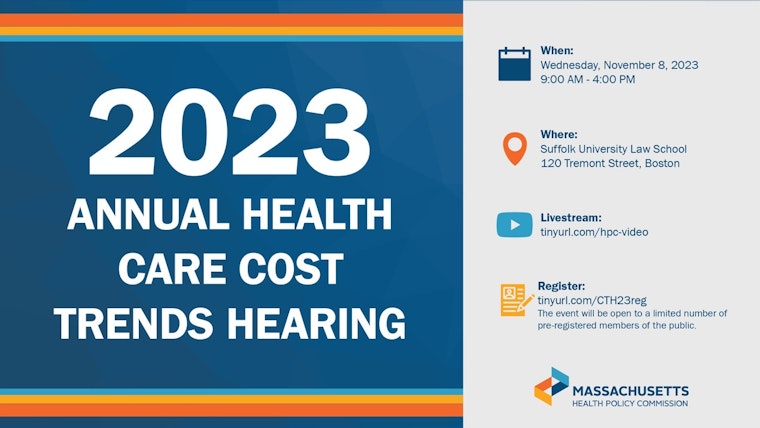
The alarming findings and recommendations of the HPC report will be further discussed during the HPC Cost Trends Hearing on November 8, 2023, at Suffolk University Law School in Boston. The full report, policy recommendations, five chartpacks, and an interactive Cost Trends Report dashboard are available on the HPC's website.