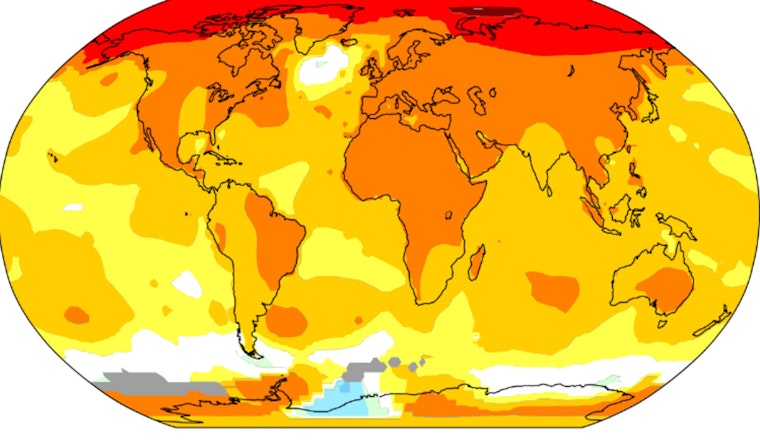
Earlier today, Mayor Michelle Wu declared a heat emergency for Boston as temperatures soared into the 90s according to an announcement made by the city. With the heat index expected to reach the high-90s, the impacts of climate change are felt more palpably than ever.
"The impacts of climate change are more palpable than ever, with extreme heat posing risk to our communities," said Mayor Michelle Wu.
The city of Boston has taken critical immediate action to address this heat emergency. Cooling centers have been opened at 15 Boston Centers for Youth & Families (BCYF) community centers, and 64 splash pads have been installed at parks and playgrounds throughout the city, as reported on the city's website.
In order to mitigate the impact of extreme heat on its residents, Boston has embarked on a variety of projects ranging from tree planting to cool pavements and green roofs, in an attempt to make the city more heat-resilient.
One significant concern during times of extreme heat is the effect it has on those already struggling with health issues. During last summer's heatwave, Boston EMS experienced a 15-20% rise in daily calls to 9-1-1 according to the city. Those living with medical conditions, the elderly, and the very young are particularly vulnerable to the effects of high temperatures, making the provision of cooling centers and other heat relief resources essential for their well-being.
Heat emergencies, unfortunately, are becoming a more common occurrence in modern times. Last year, Mayor Wu announced the Heat Resilience Solutions for Boston, a citywide framework aimed at preparing the city for hotter summers and more intense heat events. The 26 strategies laid out in the plan focus on building a more equitable Boston in the face of rising temperatures.
In support of the Heat Plan, the City launched the Boston Extreme Temperatures Response Task Force. This task force aims to address chronic high-temperature conditions and prepare the city in advance of extreme weather events. Their work is supported by the Environment Department, the Office of Emergency Management, and the Boston Public Health Commission's Office of Public Health Preparedness, all working together to protect and promote the health and well-being of Boston residents facing increasing temperatures and other climate risks according to the city.