

























































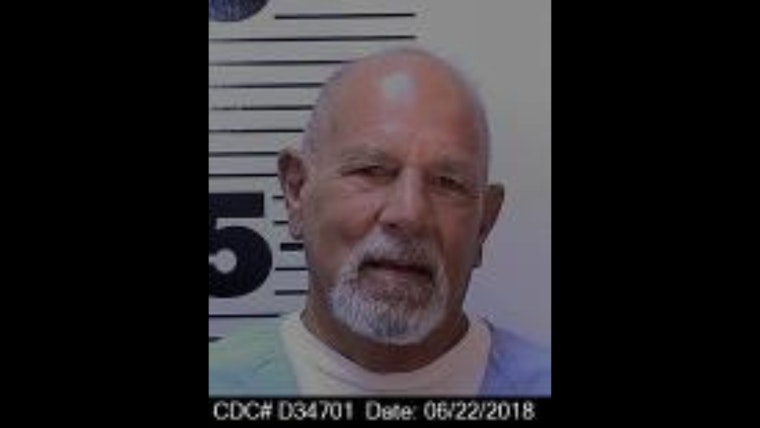
Anthony John Sully, an American ex-policeman and serial killer, was found guilty of the murders of six people between February and August 1983, and was sentenced to death. His accomplices, Tina Livingston, Michael Francis, and Keli Burns, were also arrested and charged for their complicity in the crimes, with Livingston and Francis receiving life sentences and Burns given 25 years. Sully was housed in San Quentin State Prison's death row, where he applied for a commutation of his sentence twice and for a new trial, but his appeals were dismissed. Francis was denied parole in 2020, while Burns was granted parole in 2016, after spending over 33 years in custody.
Anthony J. Sully passed away of natural causes on September 8 at the age of 79. According to a statement from the California Department of Corrections and Rehabilitation (CDCR), Sully was pronounced dead at an outside medical facility, with the Marin Coroner's Office set to determine the official cause of death.
Sentenced to death in San Mateo County on June 3, 1986 for the murders of Kathryn Barrett, 24; Barbara Searcy, 22; Gloria Jean Fravel, 24, Brendan Oakden, 19; Michael Thomas, 24, and Phyllis Melendez, 20, Sully was admitted to San Quentin's death row on June 15, 1986. He remained there for the rest of his life as one of 654 condemned persons in CDCR, joining a growing list of incarcerated individuals who have perished within the system without seeing an execution date.
Once a mustery facility, San Quentin State Prison has since been transformed into the San Quentin Rehabilitation Center. This followed Governor Gavin Newsom signing Executive Order N-09-19 on March 13, 2019, instituting a moratorium on the death penalty in California. Recently, in March, Governor Newsom announced the change of the prison's status, intending to better focus on rehabilitation programs for the incarcerated population.
Although California has not carried out an execution in 17 years, with the last occurring on January 17, 2006, capital punishment remains a controversial topic in the state.





