

























































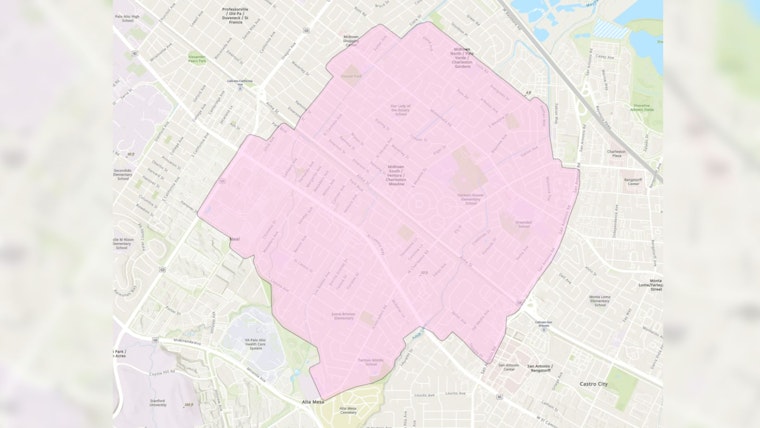
West Nile virus (WNV)-positive mosquitoes have been discovered in parts of Palo Alto and Mountain View in California, prompting swift action from the County of Santa Clara Vector Control District to combat the potential health threat. According to a news release from the County of Santa Clara, truck-mounted adult-mosquito-control treatments will be applied on Thursday evening, September 14, weather permitting.
ALERT! West Nile virus infected mosquitoes have been detected in a small portion of the county. An adult mosquito control treatment will take place in part of the 94301, 94303, 94304, 94306, and 94040 ZIP codes on Thur. 9/14, at 10PM. More info at https://t.co/lGgJVVqBRI. pic.twitter.com/ntCNG8aZj9
— County of Santa Clara Vector Control District (@SCCVCD) September 11, 2023
In addition to implementing urgent measures to combat the mosquito population, the District has undertaken several different methods to warn local residents of the threat and inform them about preventative measures they can take. Among these methods are mailing postcards, AlertSCC, and Nextdoor notifications, as well as providing general notice through various social media platforms.
Residents who have concerns can call the agency's West Nile Virus Hotline or submit questions via email. It is important to note that adult-mosquito-control treatments pose a minimal risk to the public, as the Environmental Protection Agency (EPA) approves all used pesticides for public areas. The Centers for Disease Control and Prevention (CDC) also provides further information on the health effects of WNV on their website.
Since its introduction to California in 2003, the West Nile virus has infected over 7,000 people across the state, resulting in nearly 400 deaths. A spike in the number of cases occurs during the summer and early fall, as warmer weather provides ideal conditions for mosquito populations to thrive. The Santa Clara Vector Control District maintains a dedicated surveillance program to monitor the presence of disease-transmitting mosquitoes and conducts truck-mounted adult-mosquito-control treatments regularly since 2003 to successfully reduce WNV-transmitting mosquito populations.
The disease does not cause symptoms for most individuals, but it can lead to severe complications and even death, particularly for those with specific chronic medical conditions and the elderly. In 2022, 15 WNV-related deaths were reported in California, with 2015 being a record year for fatalities, claiming 55 lives according to the County of Santa Clara Vector Control District.
Public awareness plays a key role in preventing the spread of WNV. The agency recommends taking several measures to reduce the risk of exposure and minimize the mosquito population on one's property:
- Inspect for standing water on a weekly basis.
- Drain or turn over items that can hold water, such as flowerpots and pet dishes.
- Clean bird baths and pet bowls to remove mosquito eggs.
- Clear debris from rain gutters for proper water flow.
- Screen rain barrels and irrigation drains to prevent mosquito access.
- Fix leaky faucets and broken sprinkler heads; avoid overwatering lawns and plants.
- Ensure window and door screens are in good condition and tight-fitting.
- Maintain adequate swimming pool water levels for proper circulation and filtration.
- Request free mosquitofish online for placement in neglected pools or artificial bodies of water.
Outdoor activities should be limited during dusk and dawn when WNV-transmitting mosquitoes are most active. When outdoors, it is advised to wear long-sleeve shirts, long pants, and insect repellent containing DEET, IR3535, or oil of lemon eucalyptus, following the label instructions. Residents can also contact the County of Santa Clara Vector Control District for assistance with mosquito control or to report potential mosquito-breeding sources.





