

























































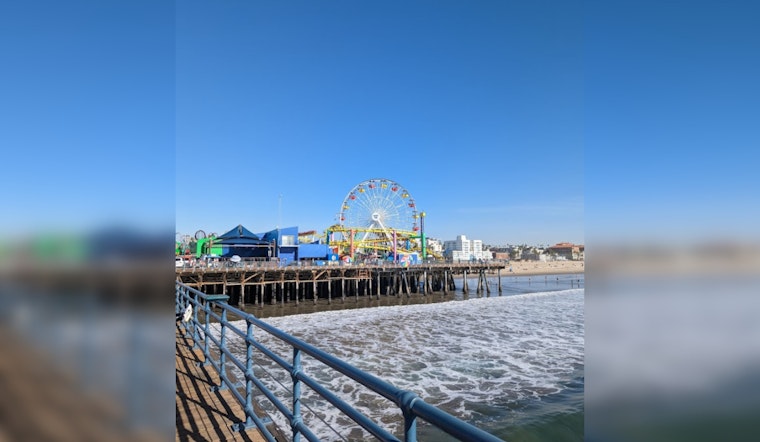
Earlier today, the Los Angeles County Department of Public Health (LACDPH) alerted citizens to elevated bacterial levels at certain popular beaches within the county. The beaches mentioned include Mothers Beach in Marina Del Rey and parts of Santa Monica Pier in Santa Monica. Swimming, surfing, or engaging in other water-related activities in said areas is presently discouraged, based on a press release issued
These alerts have been prompted by bacterial levels surpassing the health standards upon recent testing, underlining potential health threats to beachgoers who engage with the polluted water. Ranging from skin irritations to gastrointestinal illnesses, the health risks hinge on the kinds and amounts of bacteria present in the water.
Acknowledging the exact causes of the bacterial surge is challenging, stormwater overflow and waste spills from the sewage system are potentially significant contributors to such water degradation, particulary after heavy rainfall. Although, one must consider the elemental reality that these issues often stem from various sources, and comprehensive comprehension of the causes and environmental effects of such water contamination requires ongoing investigation.
On the brighter side, the LACDPH announced a lifting of warnings at Pico-Kenter storm drain located at Santa Monica Beach and Santa Monica South Tower 20, due to recent samples indicating that water quality levels are now within State standards. Consequently, beachgoers can now visit these areas and not having to worry about health repercussions.
Citizens and visitors in Los Angeles County can get updates about the current condition of beaches and associated alerts by dialing the County's beach closure hotline at 1-800-525-5662. Besides, an interactive map indicating affected areas and further details may be viewed at the LACDPH's website.





