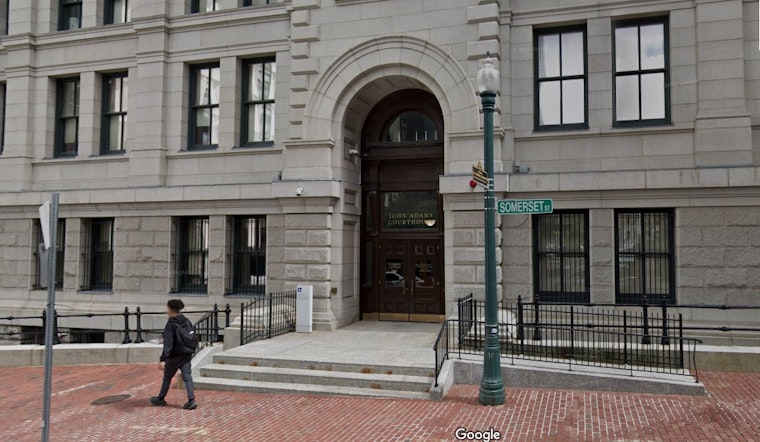
In an event hosted at the John Adams Courthouse, Boston, the Supreme Judicial Court recognized three attorneys and a law student for their pro bono service.
Supreme Judicial Court Chief Justice Kimberly S. Budd along with Ariel Clemmer, Chair of the Standing Committee on Pro Bono Legal Services, and Committee member Kim Parr presided over the Adams Pro Bono Publico Awards. During the ceremony, Budd conferred the awards while Clemmer and Parr acknowledged the efforts of the recipients and appreciated the organizations and individuals included in the Pro Bono Honor Roll and High Honor Roll as mentioned in Mass.gov press release.
This year's winners have to made significant contributions in various domains, addressing specific issues and making a profound difference to the communities they serve. Devin Cohen, a partner with Ropes & Gray, aimed his pro bono service at disadvantaged families, providing legal assistance to non-profit organization Heading Home, and helping 125 families with housing crises due to an alleged executive fraud as described on mass.gov. Besides, Cohen's work extends to healthcare, promoting a medical-legal partnership and advising a public benefit group on dementia-related risks to vulnerable populations.
Scott G. Ofrias, a K&L Gates litigation associate, by serving politically persecuted individuals in their asylum proceedings, victims of domestic violence seeking protected citizenship status, and veterans fighting eviction and benefits cases, their commitment to pro bono work. Doreen M. Rachal, a litigation partner at Sidley Austin, has channeled her pro bono work towards racial, educational, and economic equality, representing intervenors in lawsuits related to Boston's test schools' admission policies, collaborating with organizations the like of New England Innocence Project and ACLU of Massachusetts to redress wrongful convictions and develop racially fair policies for college campuses.
Sara Sam-Njogu, a law student at Western New England University School of Law, probe racial disparities in child care and protection procedures and assisted with the Family Justice Project via her pro bono work. Such benevolent acts by these legal minds offer indisputable benefits to those who would otherwise lack the necessary representation.
The Pro Bono month of October, proclaimed by Governor Maura Healey and endorsed by the American Bar Association, gives everyone a chance to reflect on the importance of voluntary legal work, and is especially pertinent today as calls for social justice and equity are on the rise countrywide. In promoting volunteer legal work in Massachusetts, the Supreme Judicial Court Standing Committee on Pro Bono Legal Services demonstrates how the legal profession can drive positive societal change and equitable progress.