

























































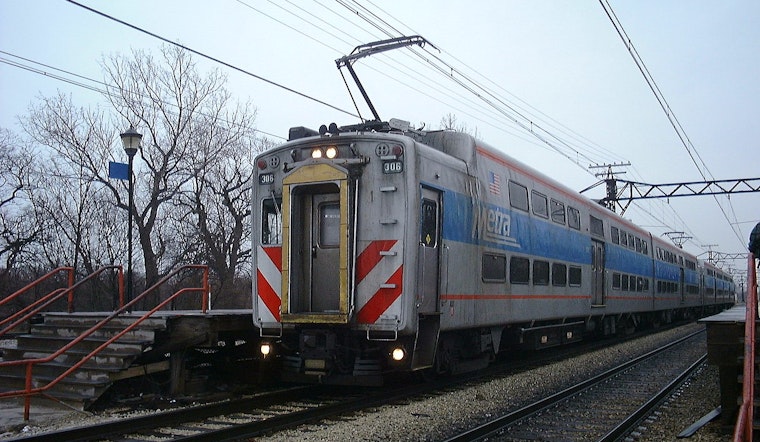
Transportation authorities in the Chicago region are examining innovative strategies to achieve affordability and equity in commuting. Included in these proposed initiatives is a pilot program slated to launch next year, which steps up to halve the fare for Metra riders who qualify for the Supplemental Nutrition Assistance Program (SNAP) as the Chicago Tribune reports. This proposal is a result of insights gained from the Fair Transit South Cook pilot program, designed to enhance public transit access in the South Side and suburban areas, and bolster Pace bus operations in the vicinity.
The plan for the fare reduction is currently only applicable to Metra commuters despite Metra, Pace, and the Chicago Transit Authority (CTA) forming the regional transit network. This choice comes from limitations on funding and serves as an aspiration to pursue equitable transit across the region by eventually extending reduced fares to all agencies, according to the Chicago Tribune.
Metra's proposed fare changes come in light of the need to acclimate to post-pandemic commuting trends. Some possible changes in store for its fare structure include windowing the 10-ride pass, reducing fare zones from 10 down to four, and the discontinuation of promotional day passes. These proposals form part of Metra's projected $1.1 billion budget for 2024, as outlined by Hoodline.
Prompted by the evolution of work and commuting trends post-pandemic, where most people now work remotely or on a rotating basis, these changes aim at accommodating the variety of new commuting patterns resulting. Currently, the fare restructuring proposal is open to public input through surveys available on Metra's website.
The fare realignment proposed by Metra has met with generally favorable feedback with 55% of over 14,000 respondents casting their agreement with the proposal in a survey. Additionally, roughly the same percentage agreed with the new fare zones and ticketing options. This data suggests that most riders support modifications that cater to their unique commuting requirements shaped by the Covid-19 pandemic, as covered by Hoodline.
Despite Metra introducing modifications to improve ridership figures and adapt to changing commutation trends, it faces an impending fiscal crisis. Federal pandemic aid is estimated to be depleted by 2025. Consequently, the Chicago Metropolitan Agency for Planning is developing recommendations to help regional transit agencies tackle this prospective challenge.




