

























































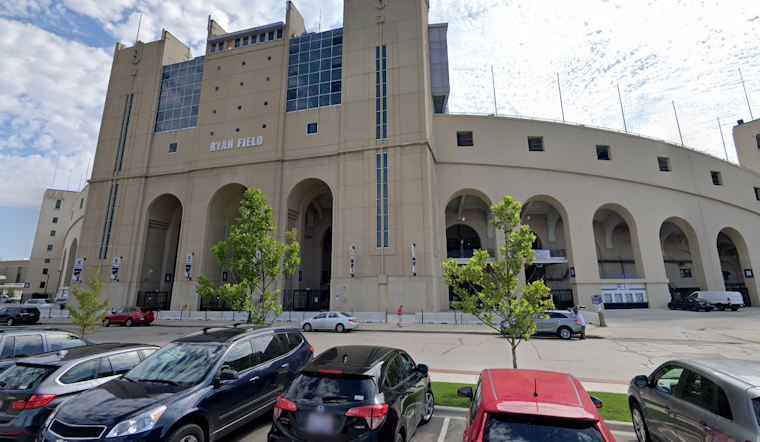
Today, Northwestern University received approval from the Evanston Land Use Commission to reconstruct their football stadium, Ryan Field. The commission, however, did not approve a proposal permitting concerts and other events at the venue. Northwestern argued these events were vital for generating revenue for the $800 million project, a theory that was met with skepticism by the commission and local denizens according to the Chicago Tribune.
By a zoning vote of 7-2, the commission dismissed the university's assertion that the project would not be economically feasible without the income from concerts. Chair Matt Rodgers deemed their insistence as "somewhat laughable," and Commissioner George Halik also remained unconvinced about the necessity of concerts. Nonetheless, Commissioner John Hewko suggested regulations for maintaining the city's standards in case concerts were to be held as reported by NBC Chicago.
Critical factors influencing the commission's decision were the noise and traffic concerns raised by residents in proximity to Ryan Field. Previous attempts made by the university for commercializing the field were mentioned, while the city had rejected such moves five times prior. The Evanston City Council will make the final call on the proposal, which they can modify prior to making a decision, irrespective of the commission's recommendations.
Discussions about the reconstruction project have sparked contention. Local residents and neighboring areas argue against the university's insistence on needing concerts for the project, citing potential nuisances such as noise and traffic disruptions that may mitigate any economic advantages according to NBC Chicago. Additionally, 200 Northwestern University faculty members protested the Ryan Field work by signing a letter, especially in light of recent hazing scandal controversy in the university's athletic department.
Additionally, the potential existence of a Native American burial ground at the redevelopment site was informed to the commission by representatives of the Pokagon Band of Potawatomi Indians. Federal law, therefore, requires archeological supervision during excavation. Environmental factors were also highlighted, with Alderperson Eleanor Revelle expressing opposition to the project due to potential groundwater flow, trees, and sewer issues as reported by NBC Chicago.





