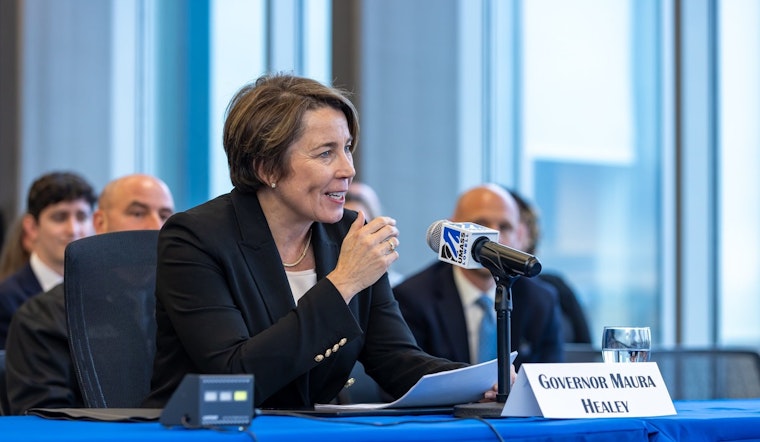
Gov. Maura Healey recently endorsed a proposed overhaul of the Mass Save program, a collaboration among Massachusetts' natural gas and electric utility providers with the aim of enhancing energy efficiency in homes. The proposed changes are due to accusations that the program supports fossil-fuel heating systems and displays inefficiencies in decision-making, staffing, and leadership structure, as underlined in a report by Climate Chief Melissa Hoffer of NBC Boston. Hoffer's advice includes adopting the model set by Vermont and Maine, where their energy efficiency programs are managed by an independent program administrator separate from electric distribution utilities.
The reform measures, Healey concurs, could enhance energy efficiency in Massachusetts and economize consumers' energy expenditure. The governor also indicated her interest in these recommendations, believing numerous measures are needed to upgrade the Mass Save program, acoording to Berkshire Eagle. At present, the program sports a short-term, three-year planning cycle, where it has found it challenging to attain transformative levels of decarbonization in alignment with state greenhouse gas emissions reduction goals.
A primary challenge in achieving these goals is dealing with labor and workforce development needs, especially aiming at younger generations. As estimated by the Massachusetts Clean Energy Center, the state's clean energy workforce, in to order to meet the 2030 emissions reduction targets, will require an additional 29,700 full-time workers, as per Berkshire Eagle. That includes an expected uptick of 724 percent in the offshore wind industry.
In her excitement for engaging young generations in this initiative, Healey is in favor of the idea of a Youth Climate Corps. As proposed by Hoffer, the corps could offer volunteer opportunities and youth-centric programs catered to train them for lucrative jobs in clean energy and climate resilience sectors, as reported by NBC Boston. Consequently, this involvement could trigger action on climate change responsive to the request of young generations.
To foster these efforts, potential collaborations with various education and trade organizations has been seen by Healey. For instance, she discussed the potential of liaising with community colleges, vocational programs, and trade schools to raise the quantity of electricians required to achieve Massachusetts' clean energy targets. Ensuring the state has a competent workforce capable to address energy system transformations will be vital for achieving the reduction goals in greenhouse gas emissions, while also providing economic opportunities for future generations.
Considering the urgency of climate crisis, a comprehensive, cross-agency plan for building a clean energy, climate, and resilience workforce should be developed by the state before May 2024 as recommended by Hoffer. The plan should encompass measurable targets and goals. Current efforts fall short to prepare the Commonwealth workforce for the unprecedented energy system changes occurring and expected to continue, furthers NBC Boston.