

























































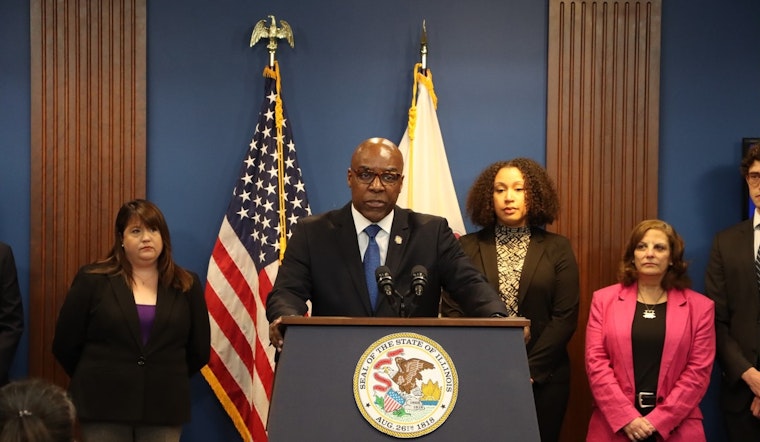
Kwame Raoul, Illinois Attorney General, and 18 other attorneys general have filed an amicus brief in support of former Jackson Hewitt tax preparers. According to a press release from the Office of the Attorney General of Illinois, they argue that no-poach agreements, as part of the tax preparation chain's franchise agreements, illegally hinder employees from seeking new job opportunities by barring corporate-owned and franchise Jackson Hewitt locations from employing one another's staff members.
This backing of the former tax preparers, plaintiffs in a proposed class-action lawsuit, is part of the fight against harmful and anticompetitive restrictions that impact U.S. workers. Raoul and the coalition contend these no-poach agreements violate antitrust laws, representing as they do horizontal restraints of trade. Jackson Hewitt and its franchises are competing directly in the labor market to hire tax preparers, thus prohibiting staff transfers between locations stifles competition and restricts worker's rights.
This legal clash isn't limited to Jackson Hewitt alone. In 2022, Raoul headed a bipartisan band of 21 attorneys general that filed an amicus brief against similar no-poach agreements. These provisions used by McDonald's were argued by the coalition to breach federal antitrust laws and limit workers' ability to seek better employment, higher wages, and improved benefits. A court ruling in August, following this brief's filing, called for a reconsideration of the provisions, determining that the U.S. district court judge who initially dismissed the lawsuit failed to comprehend the no-poach provisions adequately.
The Illinois Attorney General's Office has taken action to protect and advance employment rights of all Illinois residents, particularly focusing on vulnerable populations and immigrants, through their Workplace Rights and Antitrust Bureaus. As an illustration of this commitment, the Workplace Rights Bureau has recovered over $2.8 million in owed wages and penalties since being codified in state statute in 2020. It also has 15 settlements and agreements in place to protect workers from discrimination and wage theft.
The highlighted brief, filed by Raoul and the coalition, points out that no-poach agreements have been gaining attention for potentially harming workers and stifling competition. Legal challenges against companies, including McDonald's and currently Jackson Hewitt, underline the gravity of this issue at a national level, indicating top legal authorities' proactive steps to protect workers' rights and tackle unlawful employment practices.
By battling against no-poach agreements, state leaders are reflecting a broader drive to dismantle barriers obstructing workers' ability to move between jobs, and to secure increased wages, benefits, and opportunities. The unfolding legal tussle against Jackson Hewitt is sure to be closely observed for its implications and results, as a measure of advances in the struggle against restrictive employment policies.





