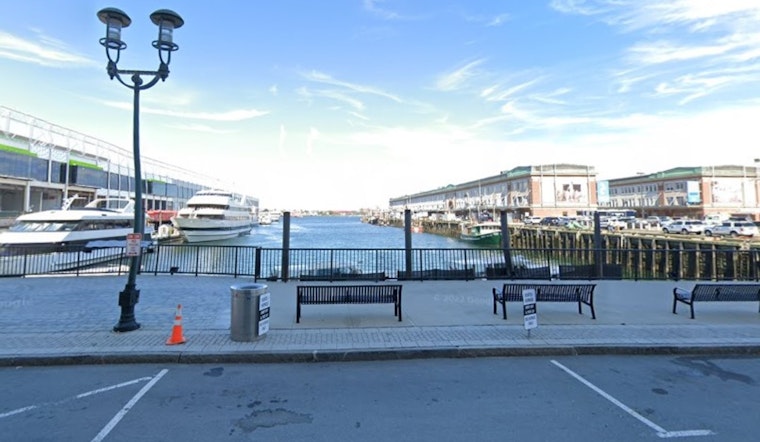
Under collaborative efforts with Boston's Mayor's Office of Arts & Culture, Isenberg Projects explores civic and cultural space planning on the waterfront. It aims to ensure equitable access to resources and opportunities across diverse city neighborhoods. The objective is to address the complex needs of different stakeholders when planning for the future of urban communities.
Emily Isenberg, the founder and Creative Director of Isenberg Projects, refers to their endeavor as a facilitator role. The agency advocates for active, vibrant places that foster community ties and inclusivity. In their mission statement, they assert the value of collaborations and involve people in local changes.
The partnership with Boston's city officials forms a study to improve Chapter 91 Facilities of Public Accommodations (FPA) civic and cultural spaces, which involves creating a comprehensive regulatory resource database, understanding local civic and cultural organizations' needs, and aligning these needs with the space creation processes. Achieving these goals can help to ensure access and utilization of FPA spaces by various user groups.
Liability of civic and cultural spaces is a current crisis in cities like Boston due to complicated bureaucratic procedures and investment shortfalls. Isenberg Projects proposes that FPAs in Chapter 91 have historically provided access to significant resources along public waterways. However, these resources have been overlooked due to bureaucracy and disputes about community investment.
Equity issues play a part in the outcomes of decisions on FPA spaces that impact less-favored society groups. Waterfront communities, such as the Seaport, are often scrutinized for serving mainly affluent white individuals, while areas like Fort Point are trying to preserve their arts and culture community. Gathering input from current residents and understanding the hurdles that deter other demographics, Isenberg Projects, along with the Mayor's Office of Arts & Culture, seeks a more integrative future for Boston communities.
In its 12-year history, Isenberg Projects has embarked on initiatives providing key insights for its partnership with Boston city. Projects, like the Zone 3 cultural scheme in Allston and creating a new cultural space in Fall River through Massachusetts Development's TDI program, stand as positive examples of nurturing inclusive communities. Fall River's new cultural space is slated to open in Fall 2023.