

























































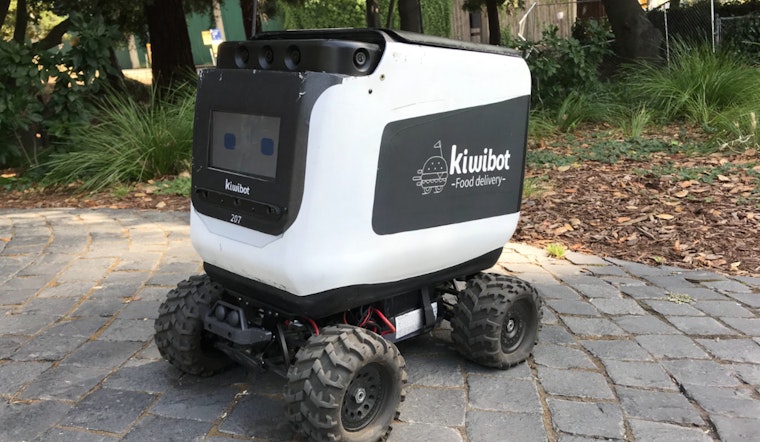
With technological advancements taking giant leaps, privacy and surveillance concerns have become a heated topic of conversation. Recently, rumors regarding robotic delivery services supplying the Los Angeles Police Department (LAPD) with video footage began to emerge. In response, the LAPD issued a clarification, stating that such data sharing only happens when the delivery company itself is a victim of crime.
The LAPD's statement emerges amid increased scrutiny of law enforcement surveillance, as discussions about balancing public safety and personal privacy heat up.
Increasingly popular in US cities, robotic delivery services offer a no-contact alternative born from pandemic restrictions and efficient delivery process. As these robots criss-cross neighborhoods, they inevitably record video footage potentially useful for crime detection. The LAPD's announcement mainly serves to delineate the boundary line between law enforcement and private companies, reaffirming its respect for privacy.
Concerns related to, not just privacy emanate from public expectation, but also from legal constraints imposed on law enforcement agencies by the US Constitution and subsequent court interpretations. Surveillance practices to overused on marginalized communities, have constantly and rightly faced criticism.





