

























































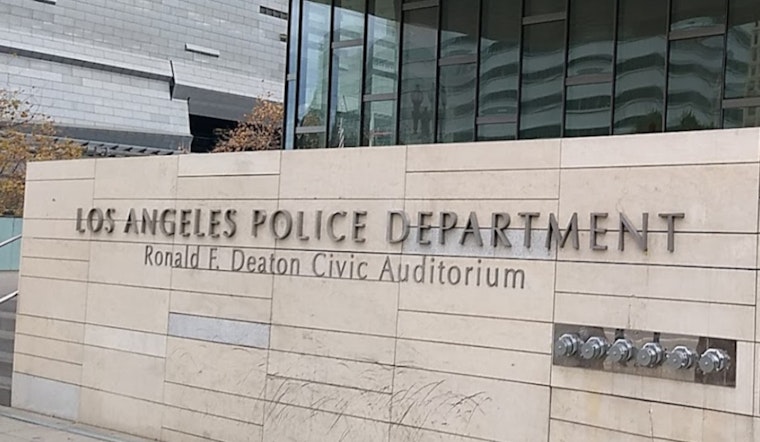
On October 1, the Los Angeles County Superior Courts introduced the new Pre-Arraignment Release Protocols (PARP), a move recognized by the Los Angeles Police Department (LAPD). The LAPD Newsroom reported that the purpose of PARP is to establish a balance between the rights of those accused and the necessity to ensure public safety.
Following these protocols' implementation, around 50 percent of felony arrestees were deemed unsuitable due to serious and violent charges, in compliance with the California Penal Code. Subsequently, through the new Magistrate Review process, nearly two-thirds of the remaining felons received an individual risk assessment, considering potential public safety risks and the likelihood the individual would appear in court.
According to a recent LAPD statement, since October 1, out of 42 felony arrestees released, 80% were released either by paying bail or under other conditions. The rest were considered suitable for release through PARP.
While this protocol has received support, it has also raised concern, specifically related to cases where the accused quickly reintegrate into the community. Potential impact and unintended consequences of PARP on public safety are perceived by many as pressing issues, requiring continuous observation and possible adjustments to the system.
As we are still witnessing the early stages of PARP implementation, understanding the potential risks and benefits is a critical factor. Public safety is of utmost importance in these discussions, but also to respect the rights of the accused. Implementation of the Pre-Arraignment Release Protocols should be seen as a chance to refine and monitor, aiming to reach a balanced and unbiased approach over time.



