

























































Yesterday, October 30, Peoria, Illinois resident Andre K. Johnson received a sentence of three years of probation due to his involvement in a Paycheck Protection Program (PPP) fraud scheme, as reported by the Department of Justice. The PPP, established under the Coronavirus Aid, Relief, and Economic Security (CARES) Act in March 2020, aimed to provide financial relief during the COVID-19 pandemic.
This federal program, implemented by the Small Business Administration, enabled small businesses negatively impacted by the pandemic to obtain funds that could cover payroll costs, rent, utilities, and mortgage interest for up to eight weeks. The administration of the program was carried out by third-party lenders.
By Justice Department reports, Johnson was indicted in March 2023, pledging guilty in June 2023 to one count of giving a false statement to secure a PPP loan. From May 2020 to September 2021, Johnson successfully obtained PPP funds by submitting fraudulent loan and loan forgiveness applications. He falsely stated on his application that his gross income from a purported jewelry and watch wholesale store, where he claimed to be the sole proprietor, was $100,000.
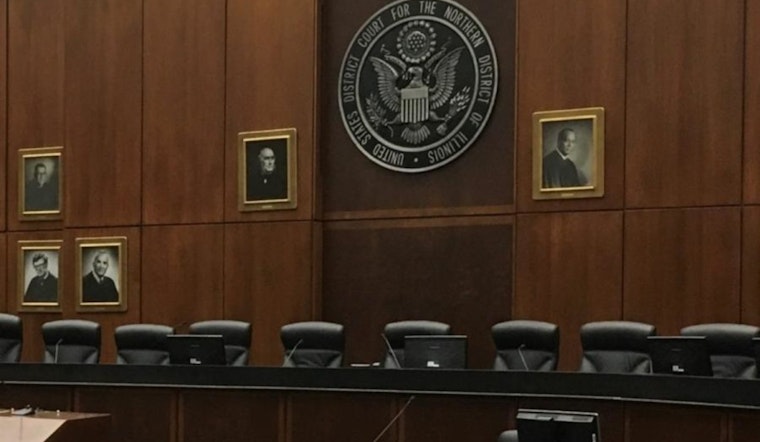
United States District Judge James E. Shadid sentenced Johnson to three years of probation and six months of home detention. Additionally, Johnson was ordered to pay restitution of $30,586.05. The losses caused by Johnson's actions totaled $23,410.05 to the SBA and $7,176.00 to Harvest Small Business Finance LLC.
Johnson's fraudulent endeavors also extended to attempting to secure over $26,000 in unemployment benefits from Illinois, Pennsylvania, Indiana, and California. The penalties for making false statements include imprisonment of up to five years, a maximum fine of $250,000, and up to three years of supervised release.
The PPP, which aimed to provide critical assistance to struggling small businesses, saw numerous fraudulent cases diverting financial support from those truly in need.
Thanks to investigation agencies like the Internal Revenue Service, Criminal Investigation Division, and Federal Bureau of Investigation, Springfield Field Office, such fraudulent actions have been successfully exposed and penalized as demonstrated in Johnson's case.




