

























































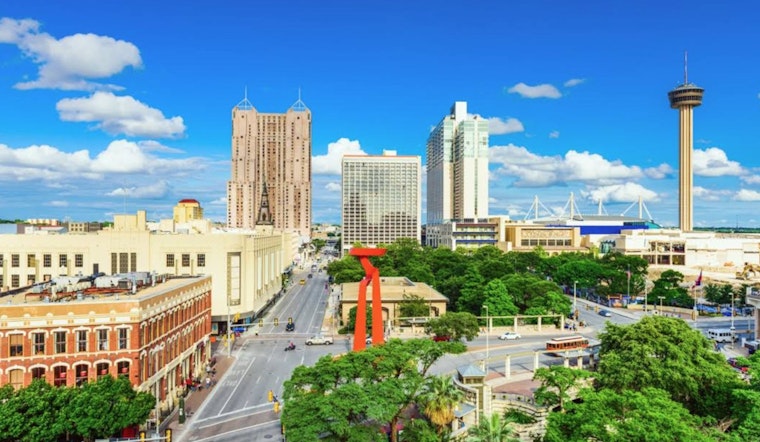
As Texas stares down the barrel of a demographic boom set to redefine the Austin-San Antonio corridor, Texas economic leaders and developers are sweating the small stuff—infrastructure, housing, and water. A staggering population surge, from a solid 5.2 million to a whopping 8.3 million by 2050, has got the bigwigs talking, including Henry Cisneros, the former San Antonio mayor and former U.S. secretary of HUD, who raised alarms about the need for a sharper focus on coordinated planning, according to Fox San Antonio.
It's not just people, it's cars, and Interstate 35 is sagging under the strain as developers point fingers at the choked highway set for expansion in late 2025, yet Cisneros warns that more lanes simply means more traffic among cities housing two-thirds of Texans, key details unearthed by the Texas Tribune event panelists. Gazing into the crystal ball, visions of high-speed rails and electric cars are swirled with talk of autonomous vehicles, even helicopters, as the region's present-tense wrestles with its future self and dreams of gleaming transit solutions that greater:SATX's president and CEO Jenna Saucedo-Herrera recounts are not yet grasped at this hour, this juncture in technological wonderment.
Water, the essence of life, is on the table too, as Central Texas's ebbing reserves become a frontline issue under climate change's siege. Leaders nod to San Antonio's Vista Ridge pipeline, a 150-mile badge of ingenuity that once sapped rural landowners' supplies, as a lesson in planning we may need to heed, a point made by Ed Latson, CEO of Opportunity Austin. As reported by the Texas Tribune, Latson suggests Austin's about to play catch-up on this liquid asset that seems as liquid in quantity as it is critical.
Amongst the din of development, a chorus rises for green—it's not just the color of money but the shade of parks, trails, and community gardens. Mike Kamerlander, CEO of the Greater San Marcos Partnership, touts a proactive approach to preserving these patches of paradise amid the industrial march forward, setting aside these sanctuaries to nature before development's tide could wash them away, and then we're looking at companies who can't woo families without a patch of green grass where the kids can play, says Kamerlander in a strategy outlined in the Texas Tribune event discussions.





